When: 7 days in mid May 2026
Where: Białowieża Forest & Biebrza Marshes
Who: Alison & Garry from UK, Kathleen & Steffen from DE, Martha & Tony from US, Eva from NL
Type of the tour: Spring tour
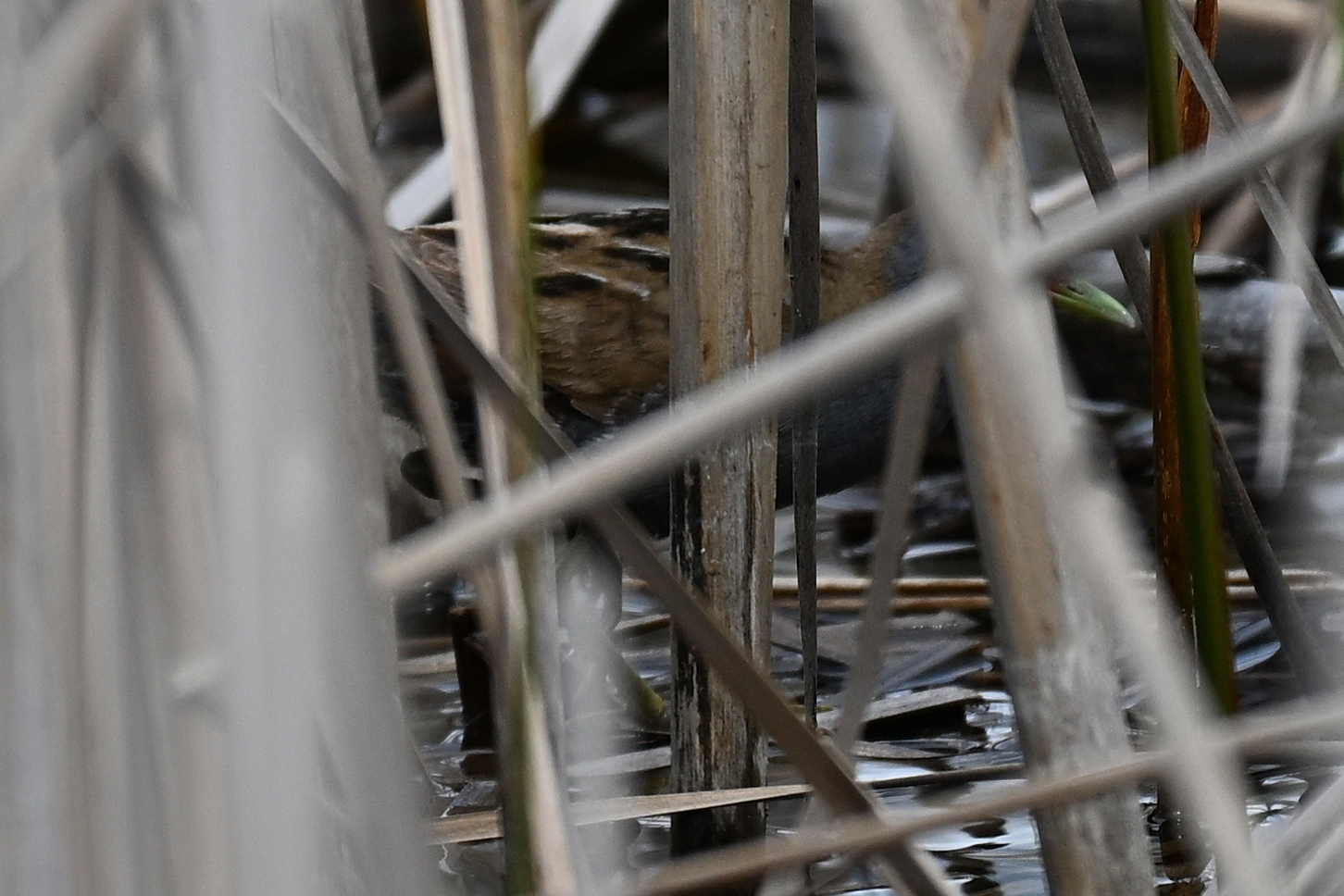
Highlights: a total of 144 bird species – 9 species of woodpeckers (White-backed, Middle spotted, Lesser Spotted, Grey-headed, Black, Three-toed, Wryneck), Nutcracker, Hazel Grouse, Tengmalm’s Owl, Pygmy Owl, Lesser & Greater Spotted Eagles, Citrine Wagtail, Little Crake, Great Snipe, 3 species of Marsh Terns, Thrush Nightingale, Bluethroat, Rosefinch, 4 species of Flycatchers, Ortolan Bunting, 14 species of Warblers, Penduline Tit & 9 mammal species – Bison, Elk, Beaver, Pine Marten, Red Squirrel, Hedgehog, Roe Deer, Red Deer, Brown Hare.
Trip report
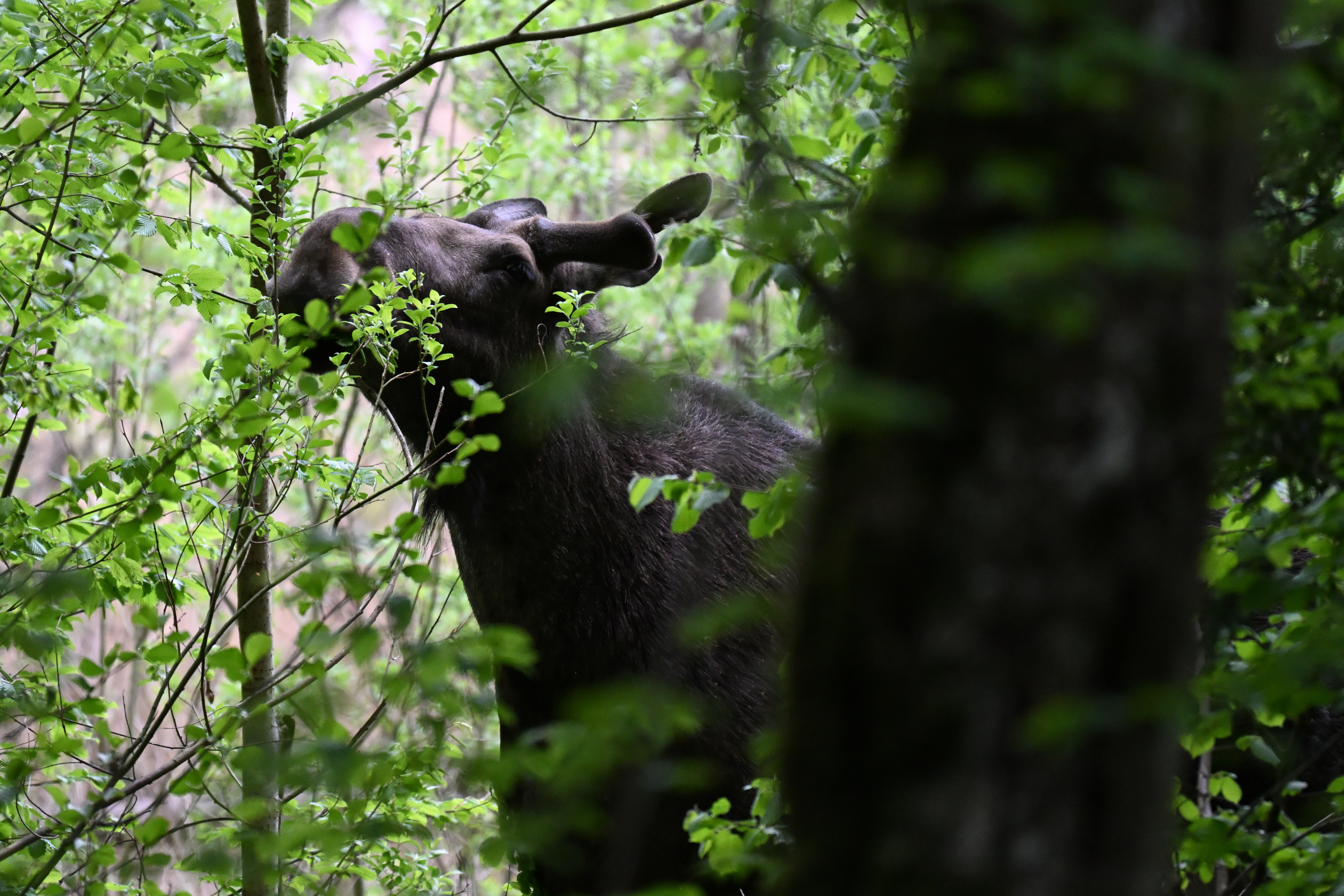
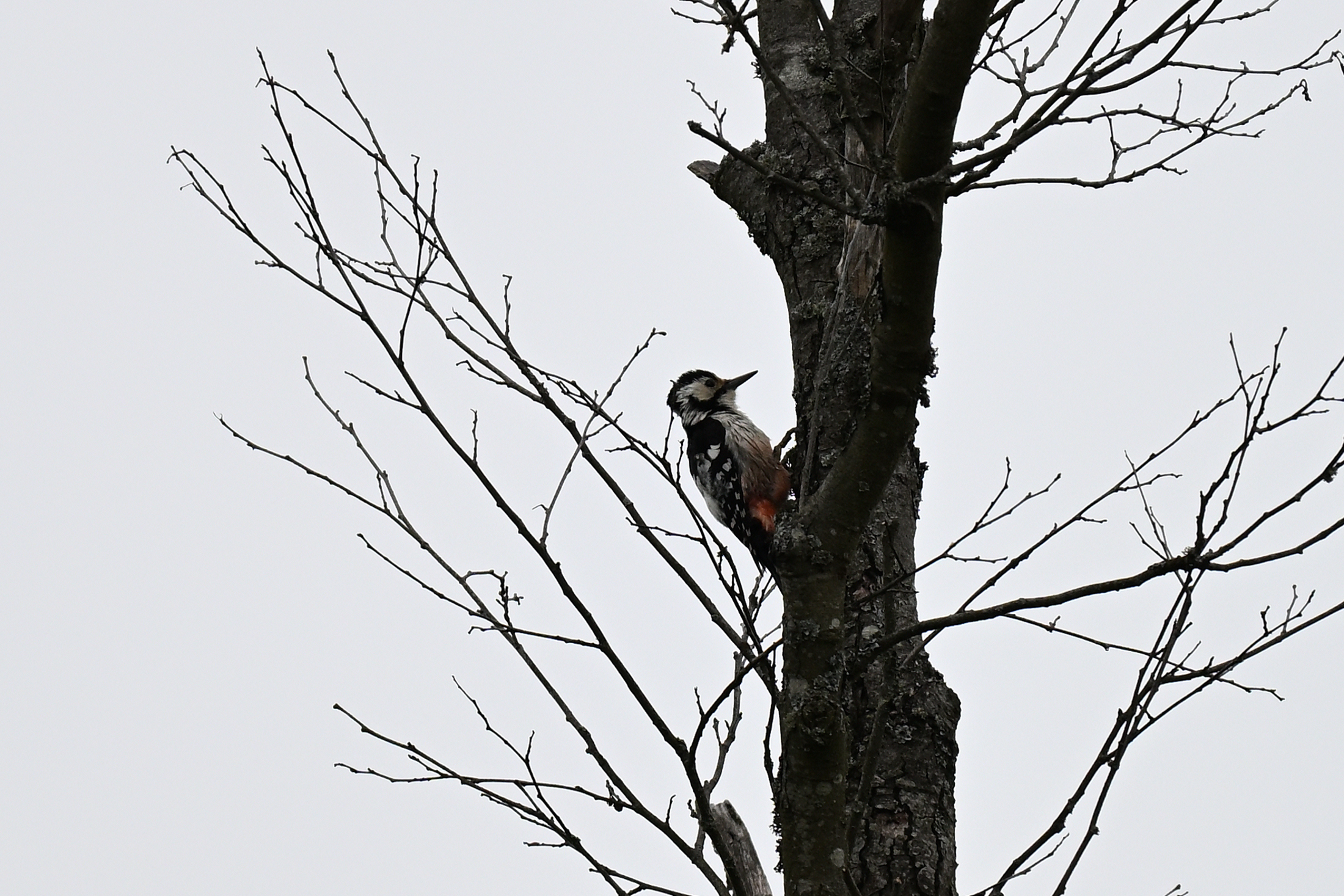
After collecting all participants, we started our journey towards Białowieża. After around 3.5 hours of driving we checked into our accommodation and, with still a few hours left before dinner, headed out for a short introduction to the forest. Our first wildlife encounter was rather unexpected — a male Elk (Moose). Surprisingly unconcerned by our presence, it allowed prolonged and comfortable views. Only twenty minutes later we connected with our first speciality bird of the trip: a White-backed Woodpecker attending chicks at the nest hole. Both adults kept returning frequently, giving everyone excellent observations — especially appreciated by those seeing the species for the very first time. Nearby Marsh Tits, Nuthatches and Hawfinches were actively feeding, while on the walk back to the bus we heard and then watched our first Wood Warbler singing beautifully beside the path. We finished the day with dinner and prepared for next day…
… which started early before breakfast.
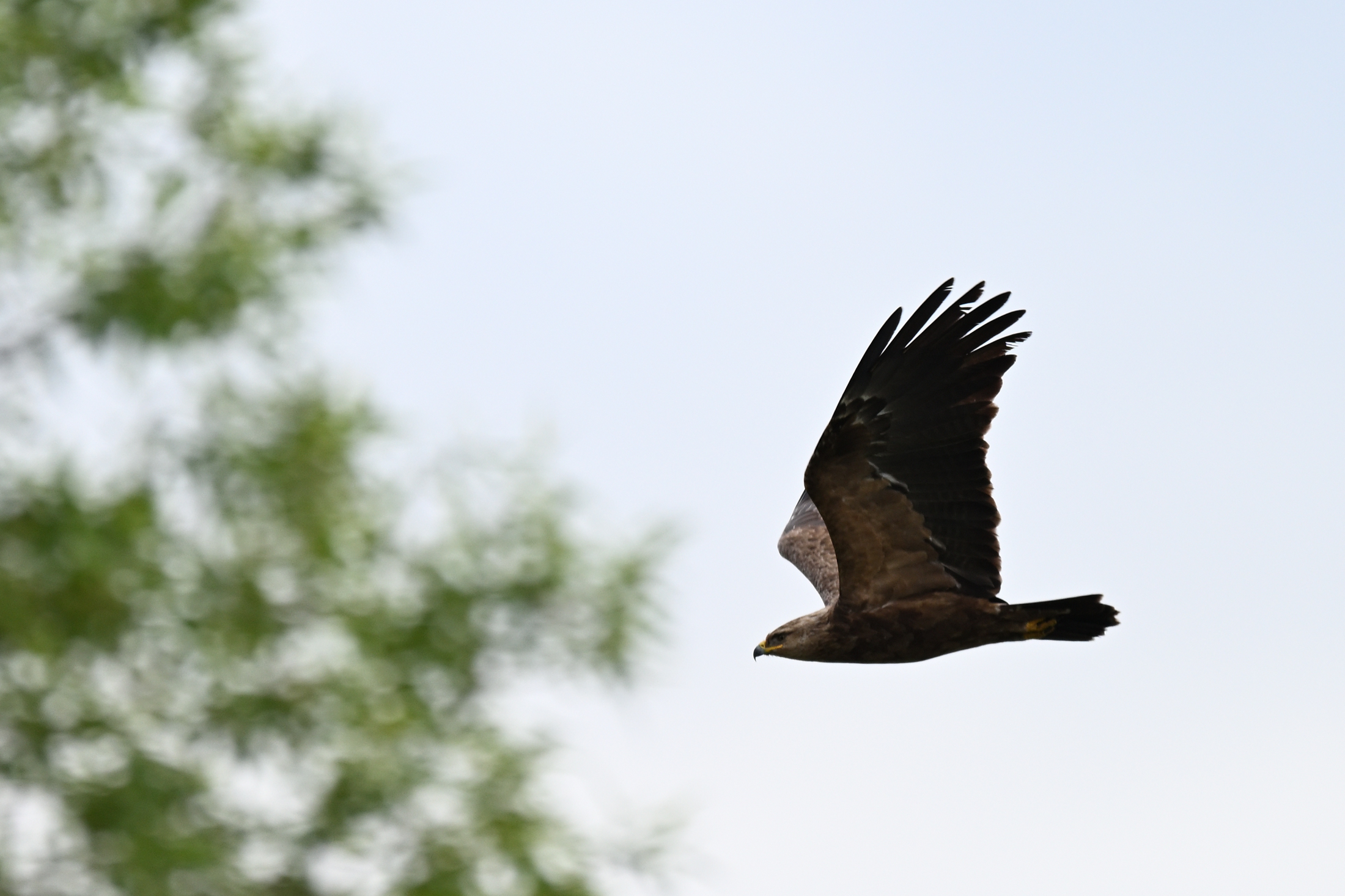
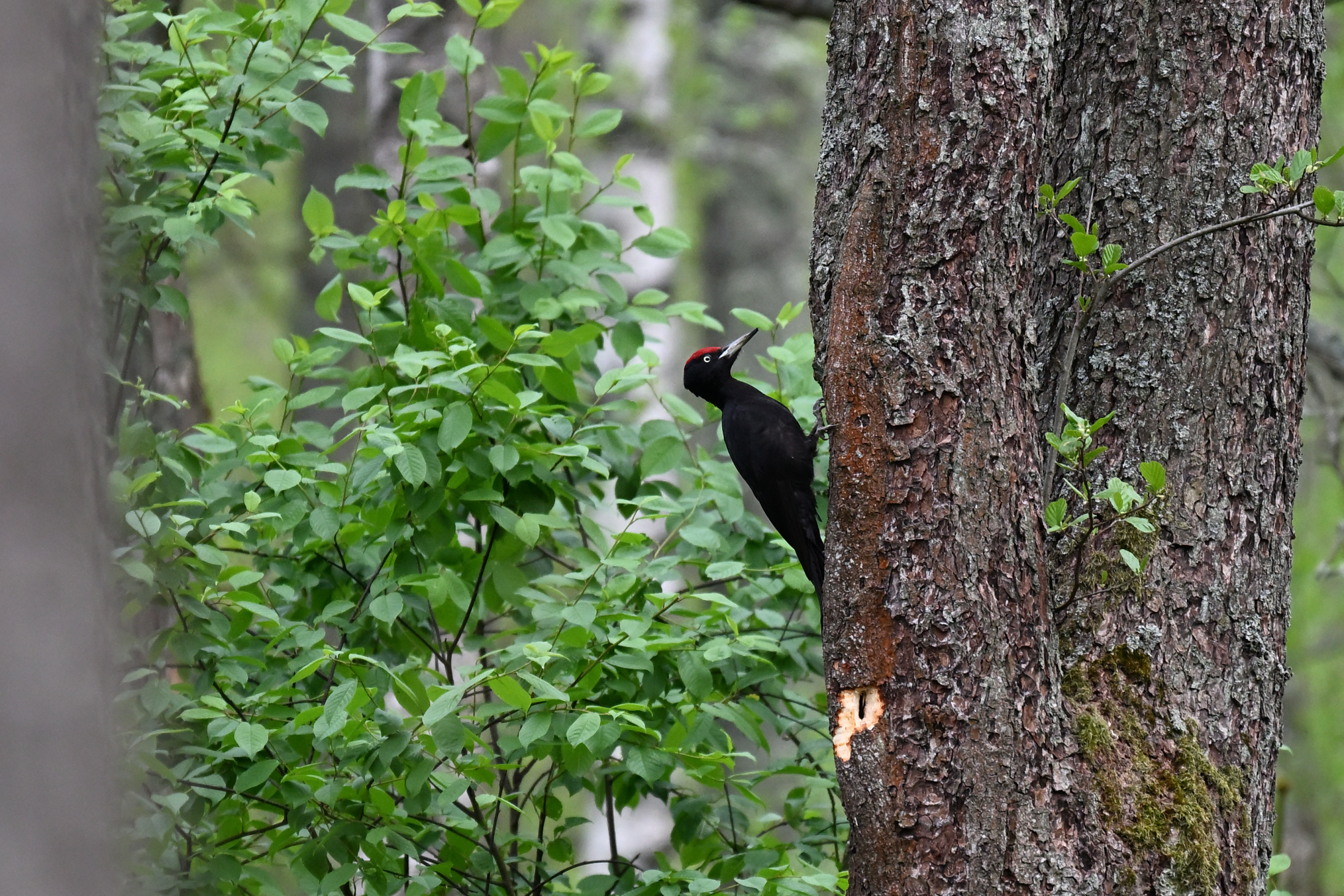
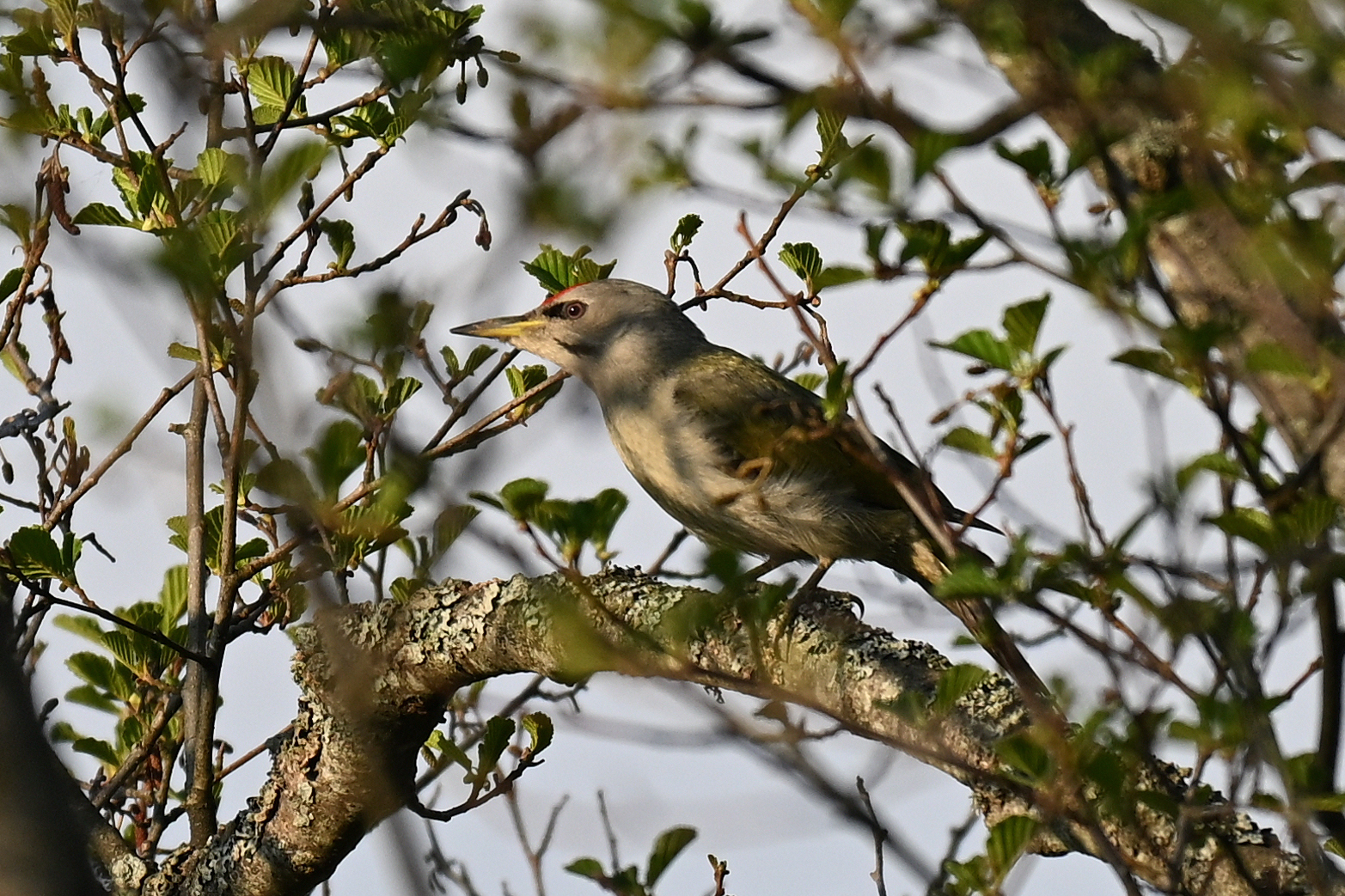
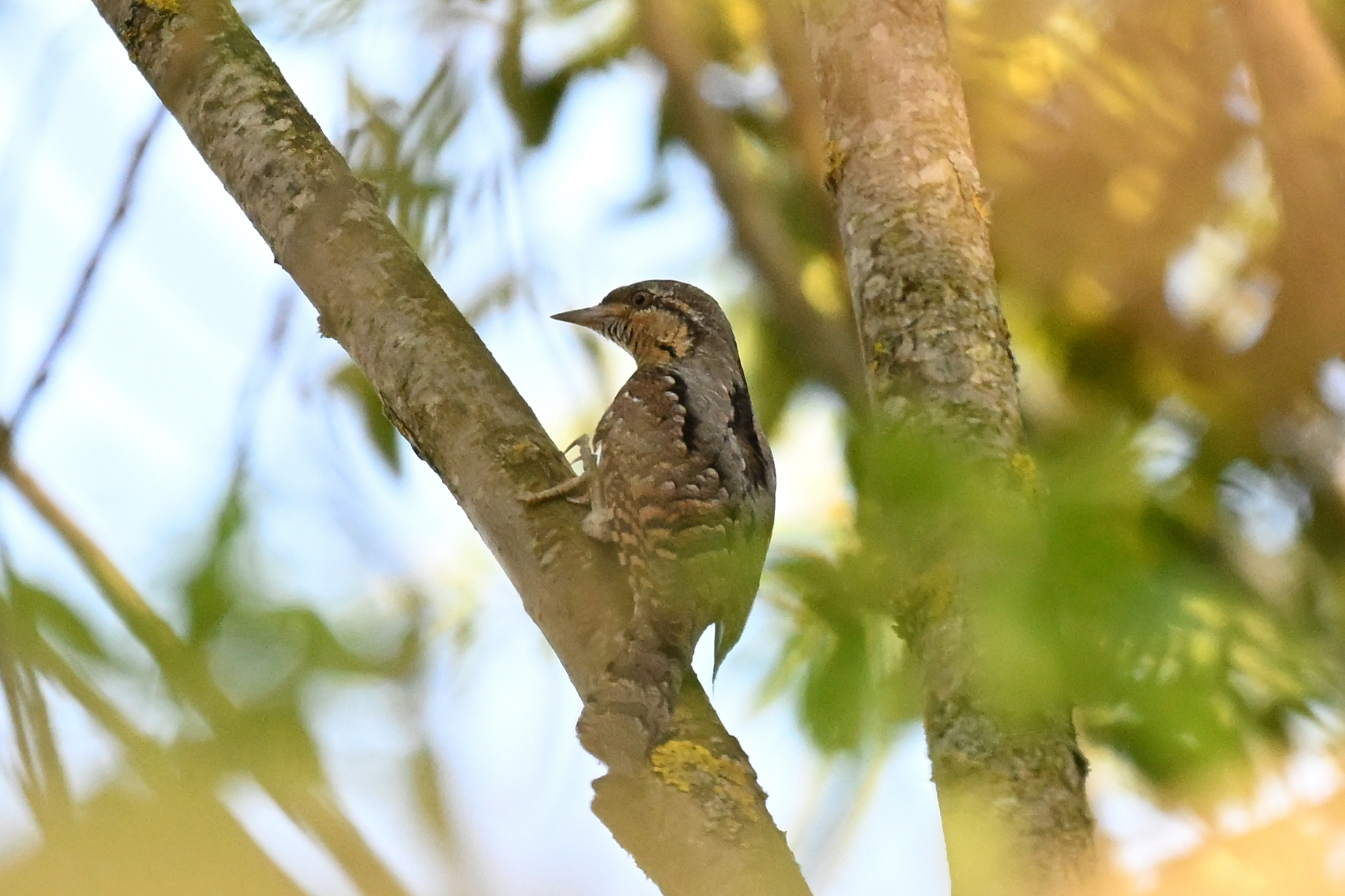
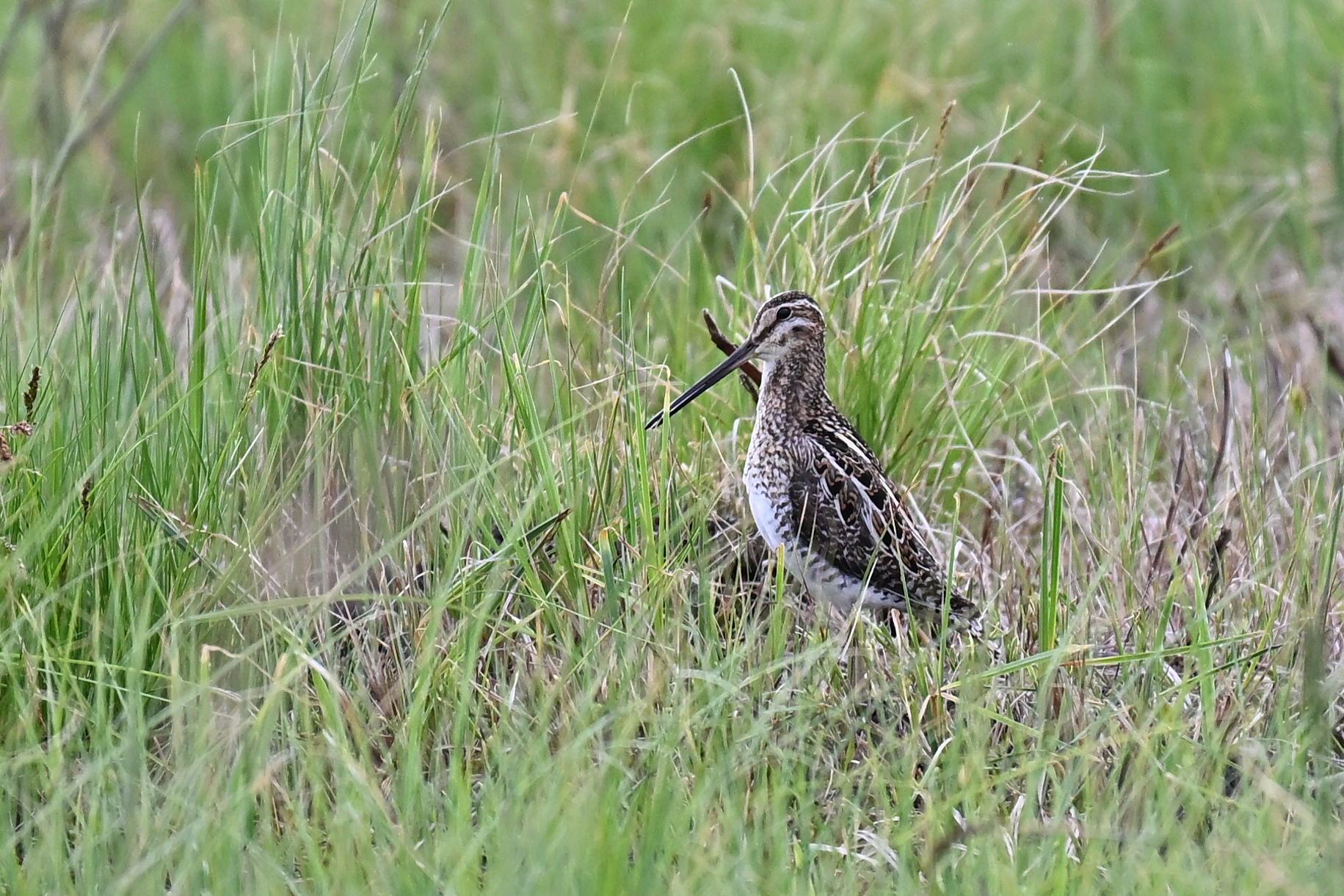
Those still half asleep quickly woke up when a Grey-headed Woodpecker flew across the road directly in front of us. After stopping and imitating its call, the bird approached closely while Thrush Nightingales and River Warblers sang all around us. Soon afterwards a large raptor appeared overhead — a Lesser Spotted Eagle. We searched nearby meadows hoping for European Bison, but it seemed we were slightly too late, with the herd already retreating into the forest after the night. Still, the area produced Whinchat, Black Redstart, Serin, Green Woodpecker, Great Grey Shrike and Corn Bunting. Our next stop, a bridge on the forest edge, proved even more productive. Common Snipe, Savi’s Warbler, Great Reed Warbler, Marsh Warbler, Cuckoo, Pied Flycatcher, Spotted Flycatcher, Black Woodpecker and Whooper Swan all showed well. Amazingly, we still had time before breakfast, so we squeezed in one additional site where the list expanded further with two Wrynecks, a male Common Rosefinch, Middle Spotted Woodpecker and another excellent Thrush Nightingale.
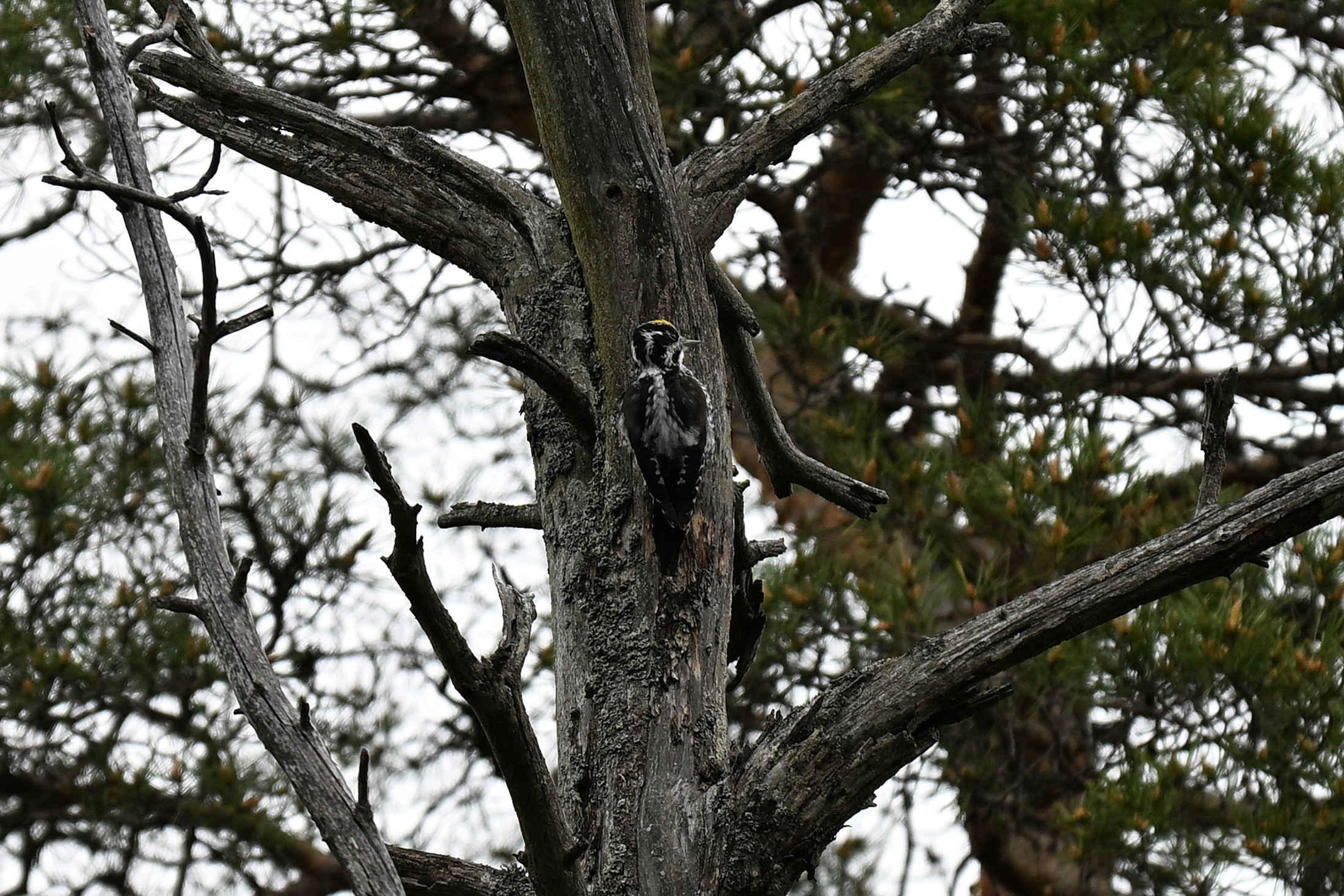
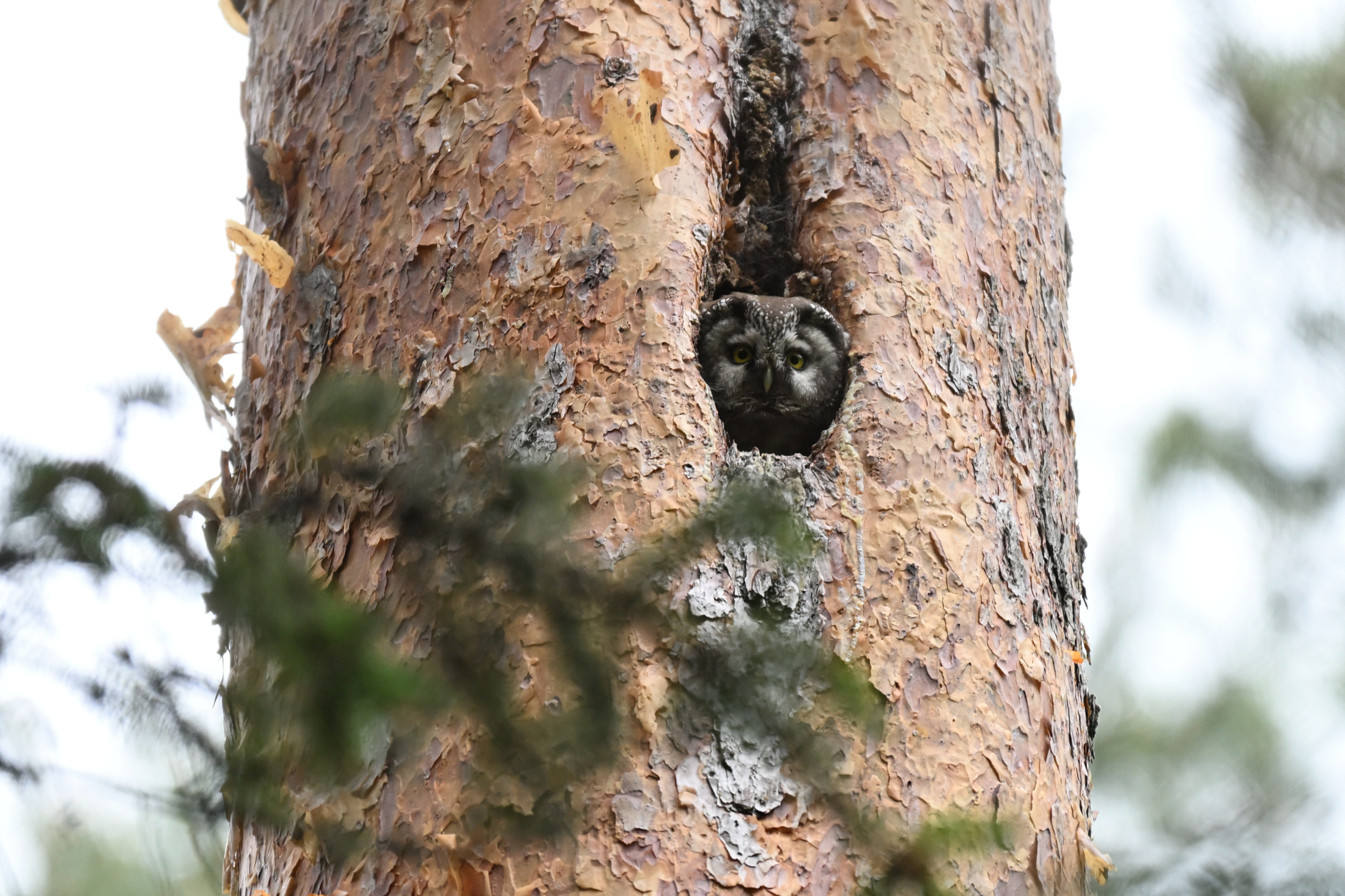
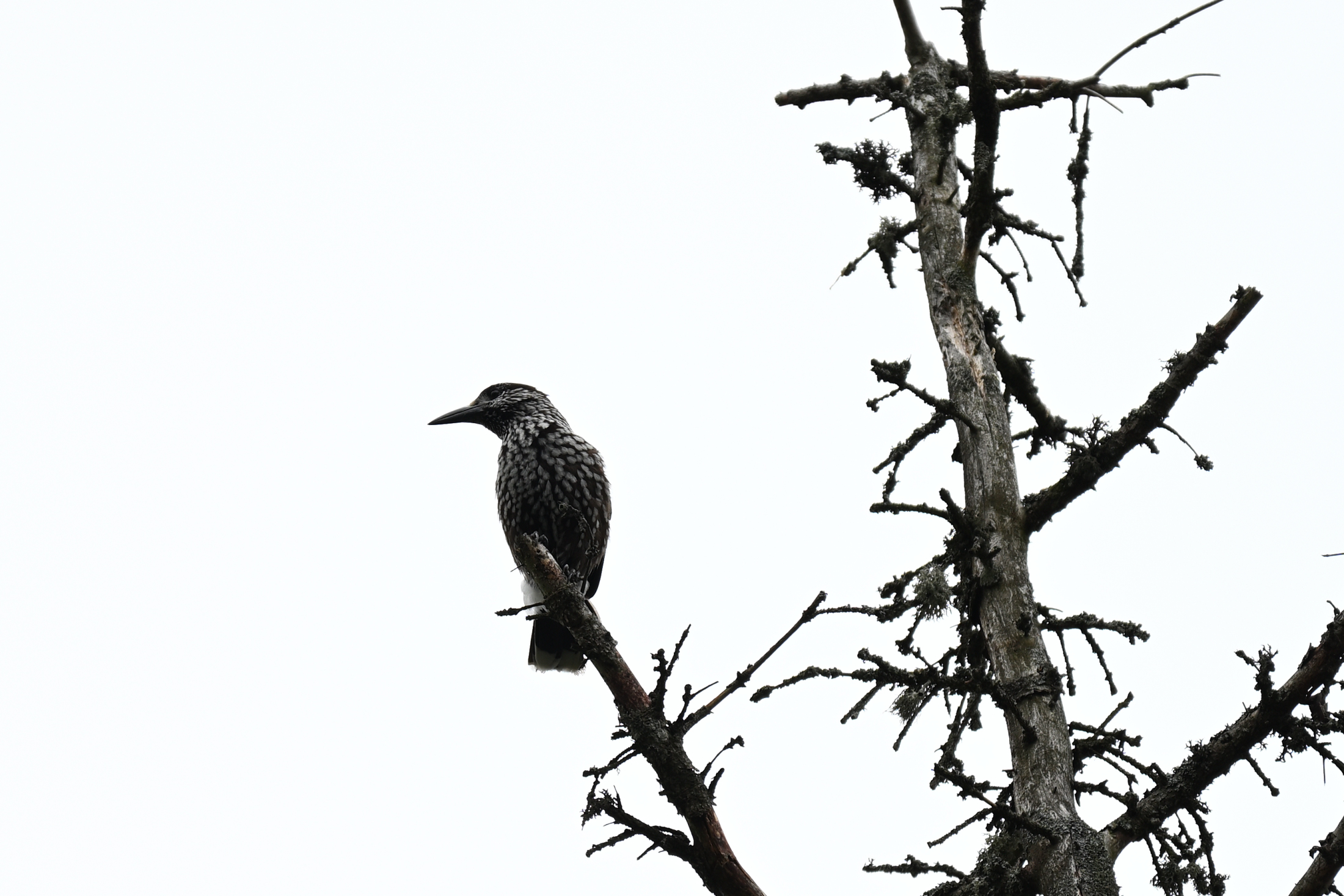
After breakfast we visited a coniferous section of the forest in search of boreal species. Our main target was Tengmalm’s Owl, but along the way we enjoyed Crested Tits feeding juveniles and a singing Mistle Thrush. We then tried for Three-toed Woodpecker and quickly succeeded with both a male and female drumming on dead spruces. Soon afterwards we reached the owl site where a Tengmalm’s Owl showed beautifully from the nest hole, becoming one of the highlights of the tour for several participants. While observing the owl we also heard and later watched a pair of Nutcrackers perched on the spruce tops. We even ended up eating lunch nearby with the Nutcrackers calling around us. On the return walk a Hazel Grouse flew twice across the road and, shortly before reaching the bus, we located two singing Red-breasted Flycatchers. One male eventually came into full view, showing its glowing red throat perfectly.
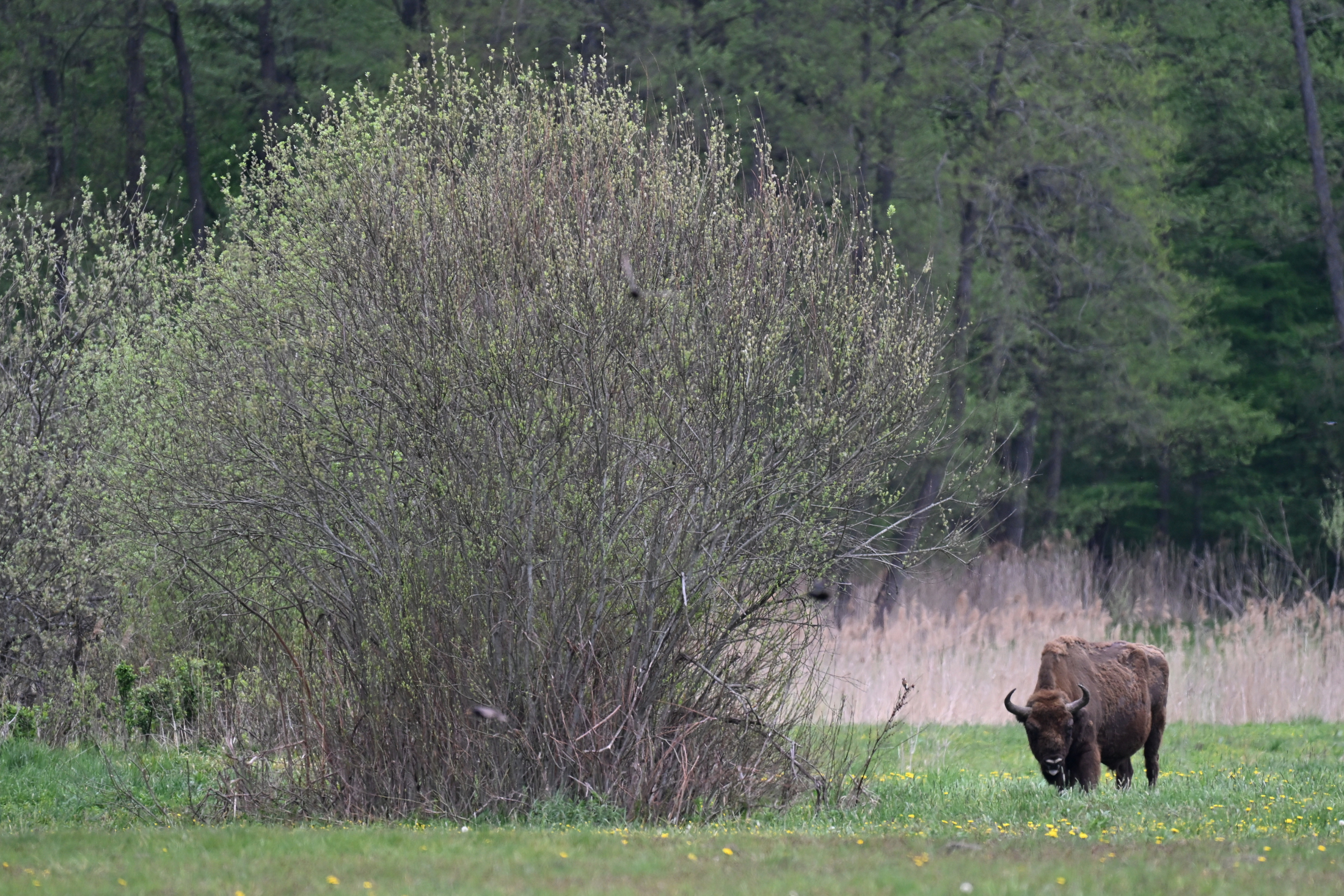
The afternoon was intentionally more relaxed. We visited a nearby village where European Bison often feed and indeed found two massive bulls grazing in open meadows. After a short break we prepared for the evening excursion — a visit to a Great Snipe lek.
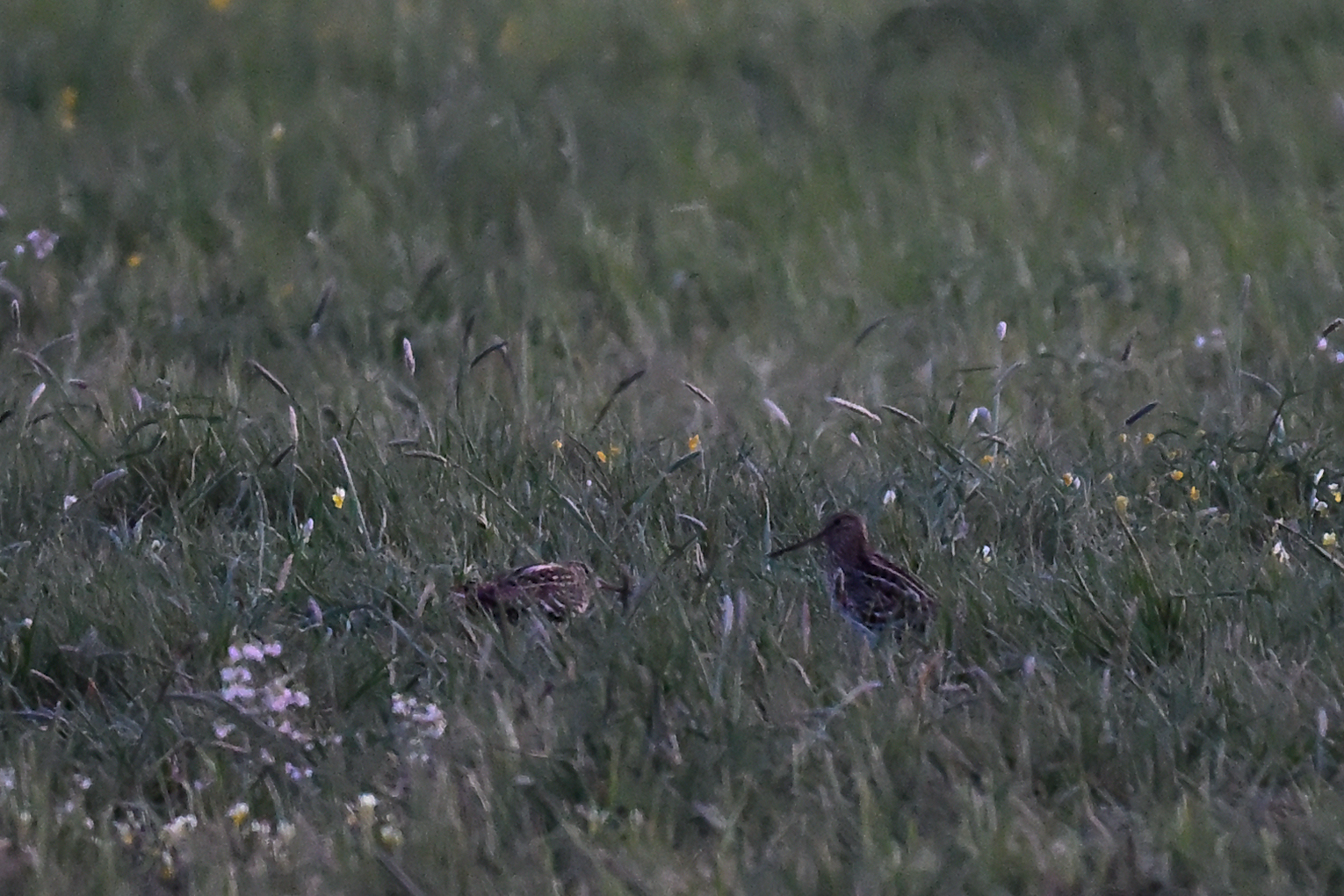
After dinner we drove into the Upper Narew valley. Even before reaching the lek we enjoyed Grasshopper Warbler, Tree Pipit and several roding Woodcocks. The Great Snipe display started early, well before sunset. At least eight males performed in front of us and, as darkness approached, the activity intensified. Corncrakes and Quails joined the nocturnal chorus, creating a fantastic atmosphere and ending another highly successful day.
On morning of Day 3 we planned to look for Pygmy Owl & a few other species that we were missing. Before departure, however, a singing Barred Warbler behind the accommodation caught our attention and soon everyone was enjoying excellent views of a beautiful male singing from willow scrub. What’s more, some participants had already seen Hoopoe and Lesser Spotted Eagle directly from their windows that morning!
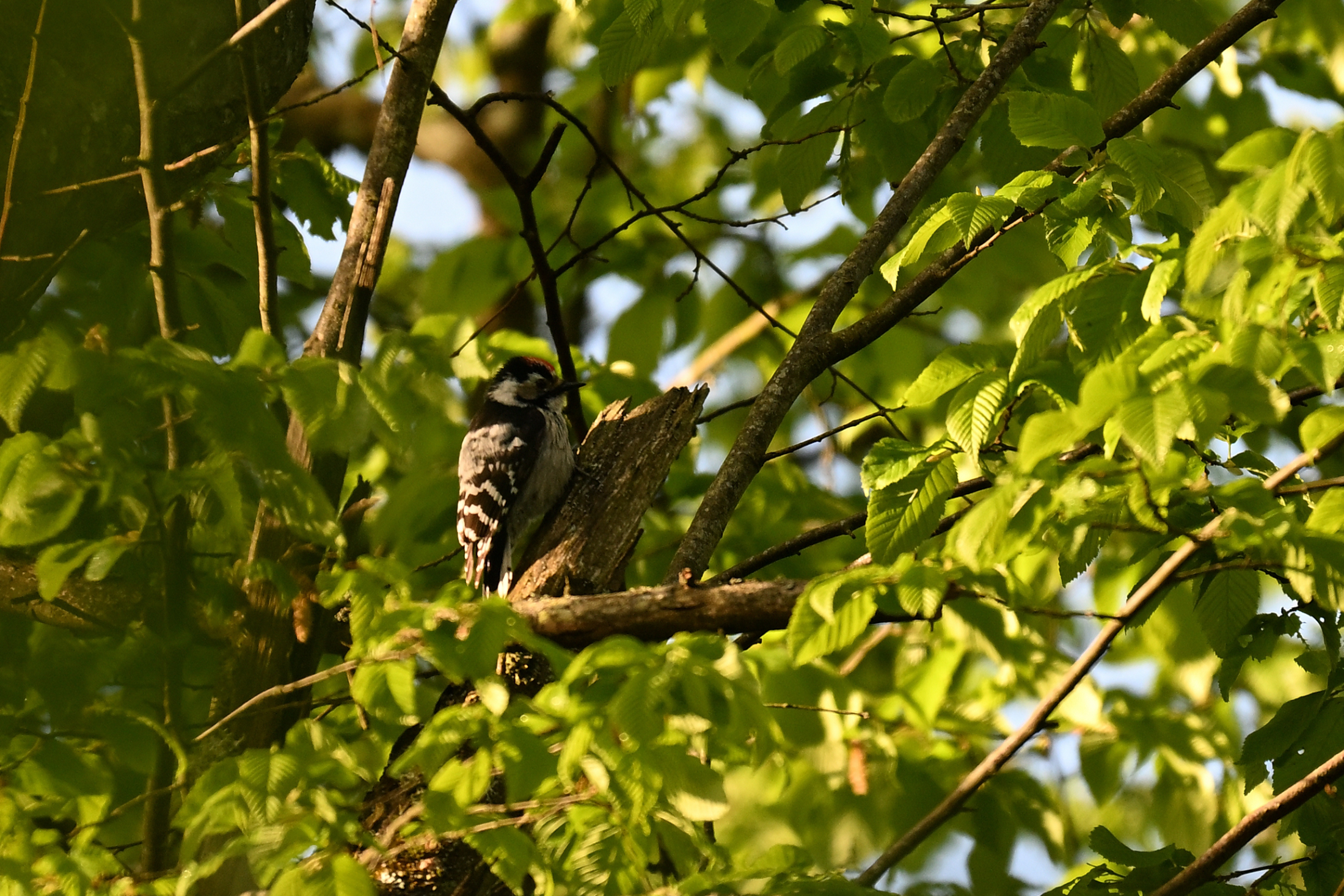
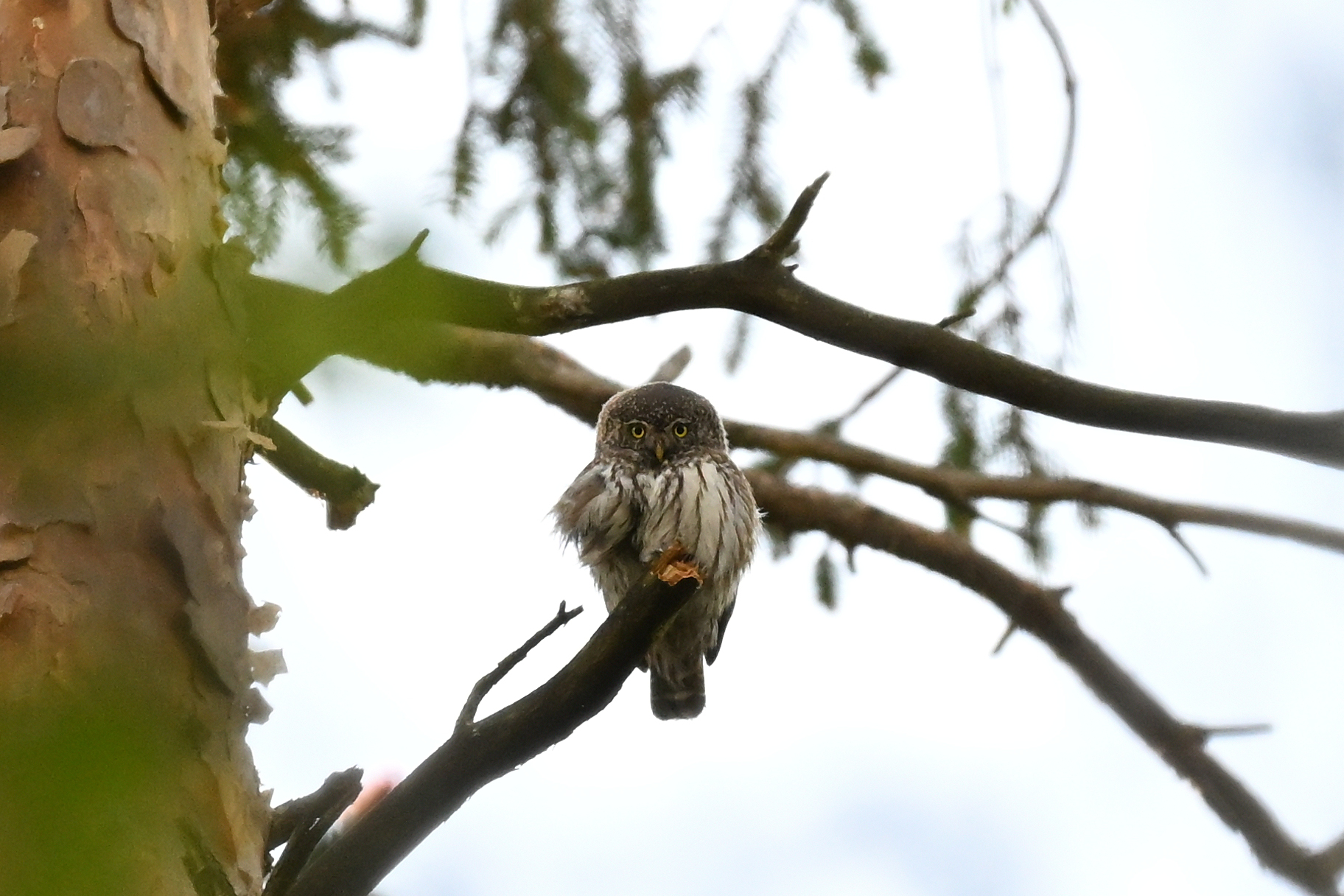
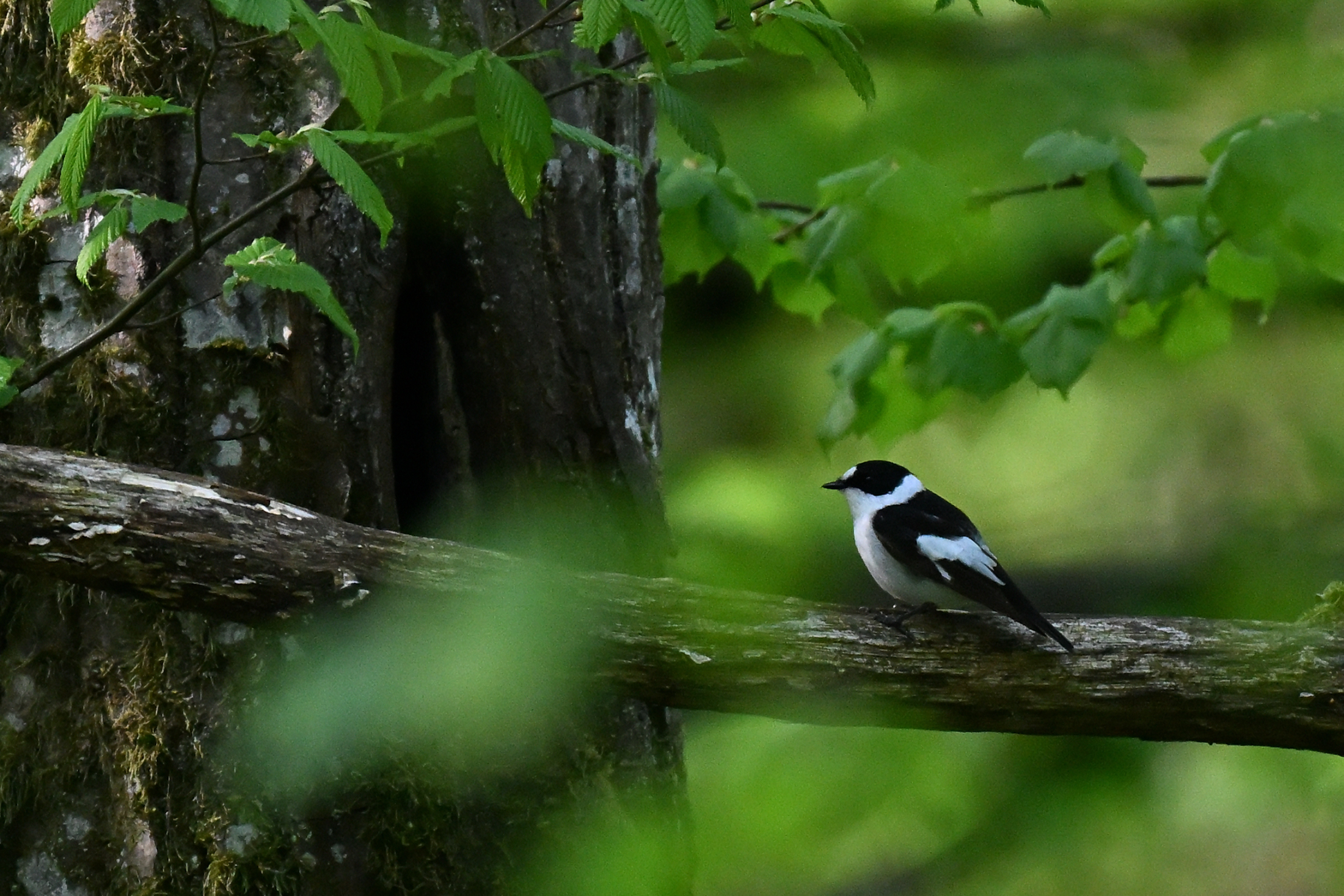
Not long afterwards we headed towards the Pygmy Owl nesting site, accompanied by numerous Collared Flycatchers and our ninth woodpecker species of the trip — Lesser Spotted Woodpecker. After a short walk we reached the site and patiently waited. Soon the female Pygmy Owl appeared at the entrance hole while the male called nearby. We spent a long time admiring this stunning pair at close range. Still before breakfast, we made a final stop for River Warbler. Although views were brief, the bird sang continuously from dense vegetation.
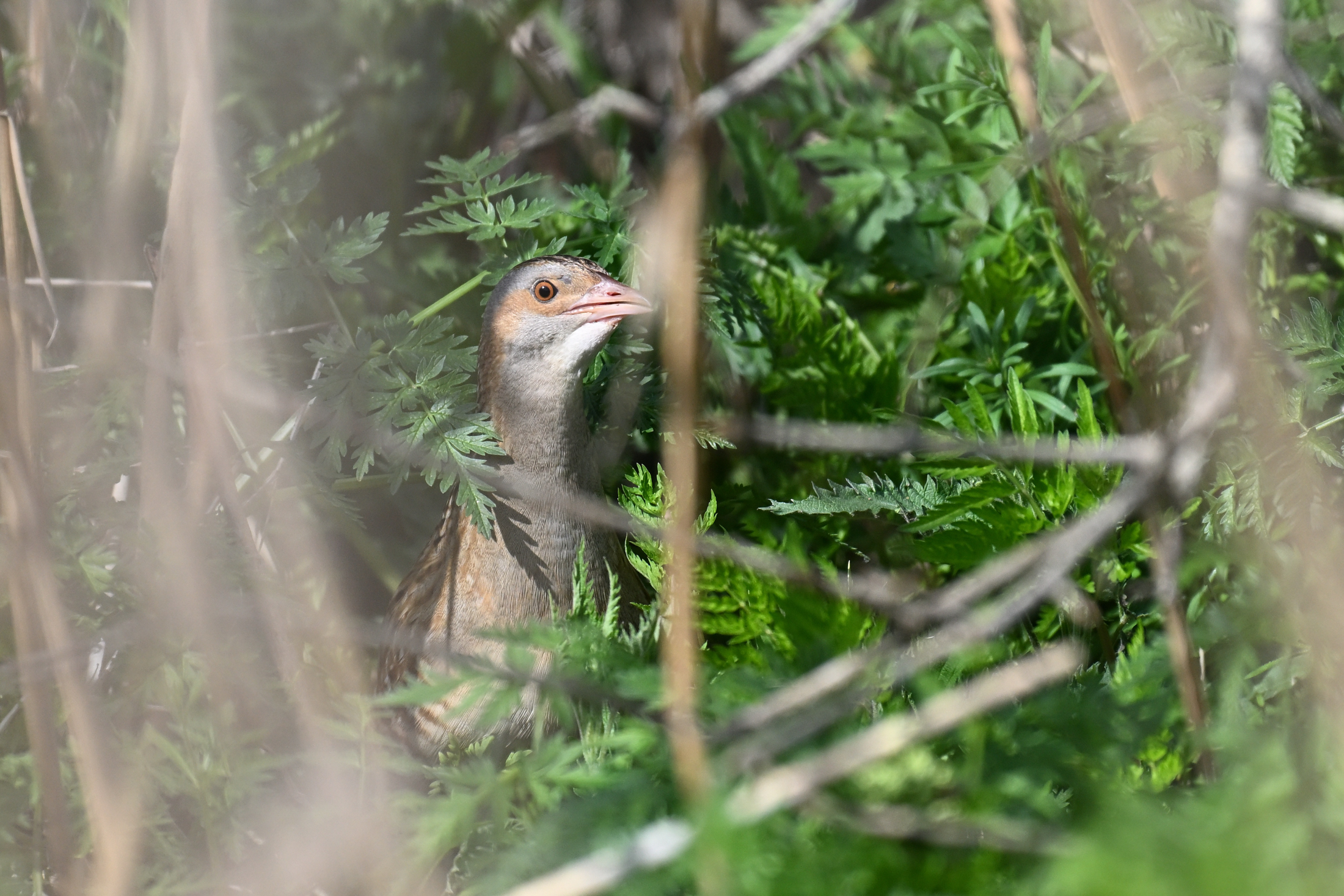
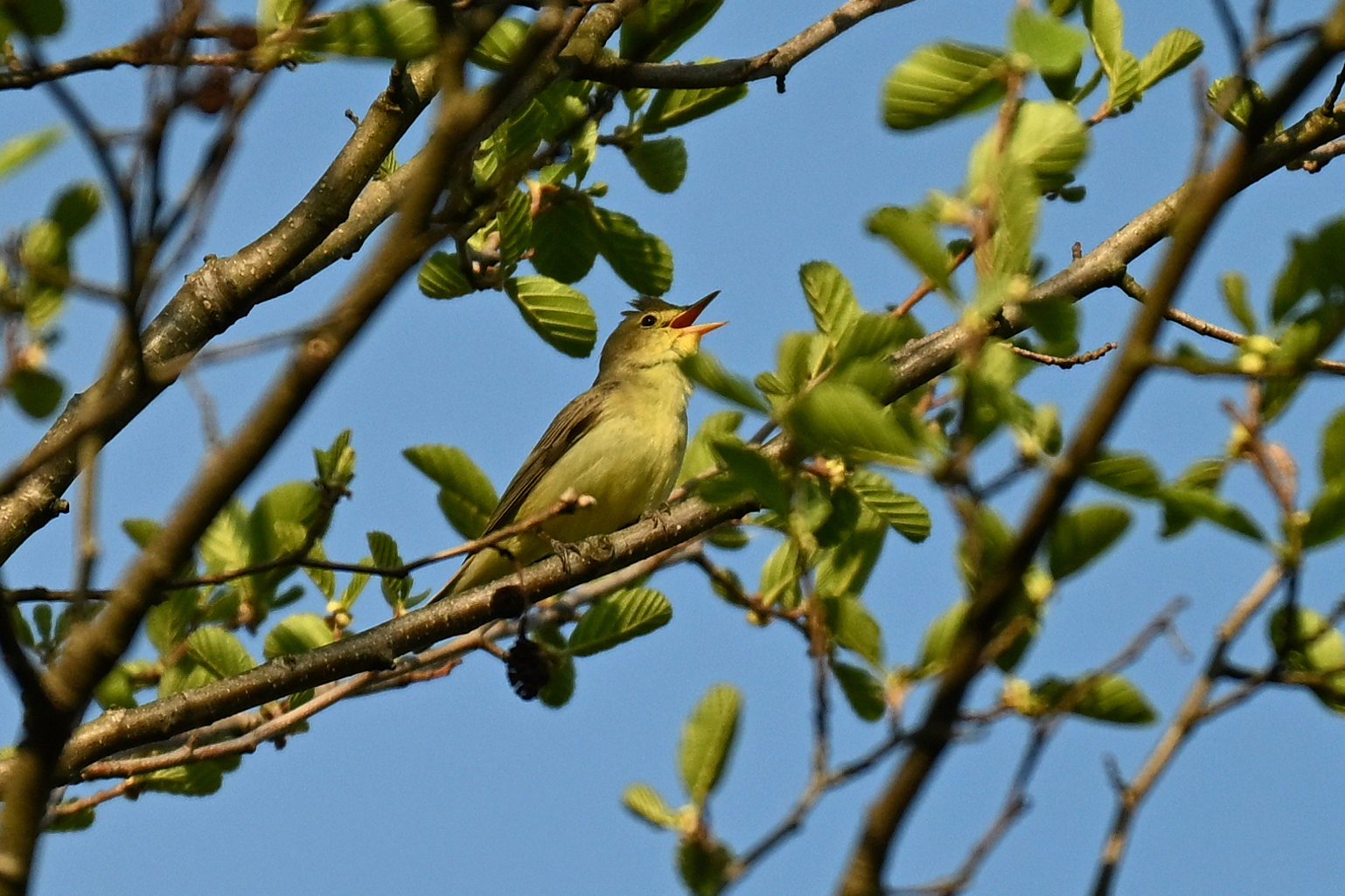
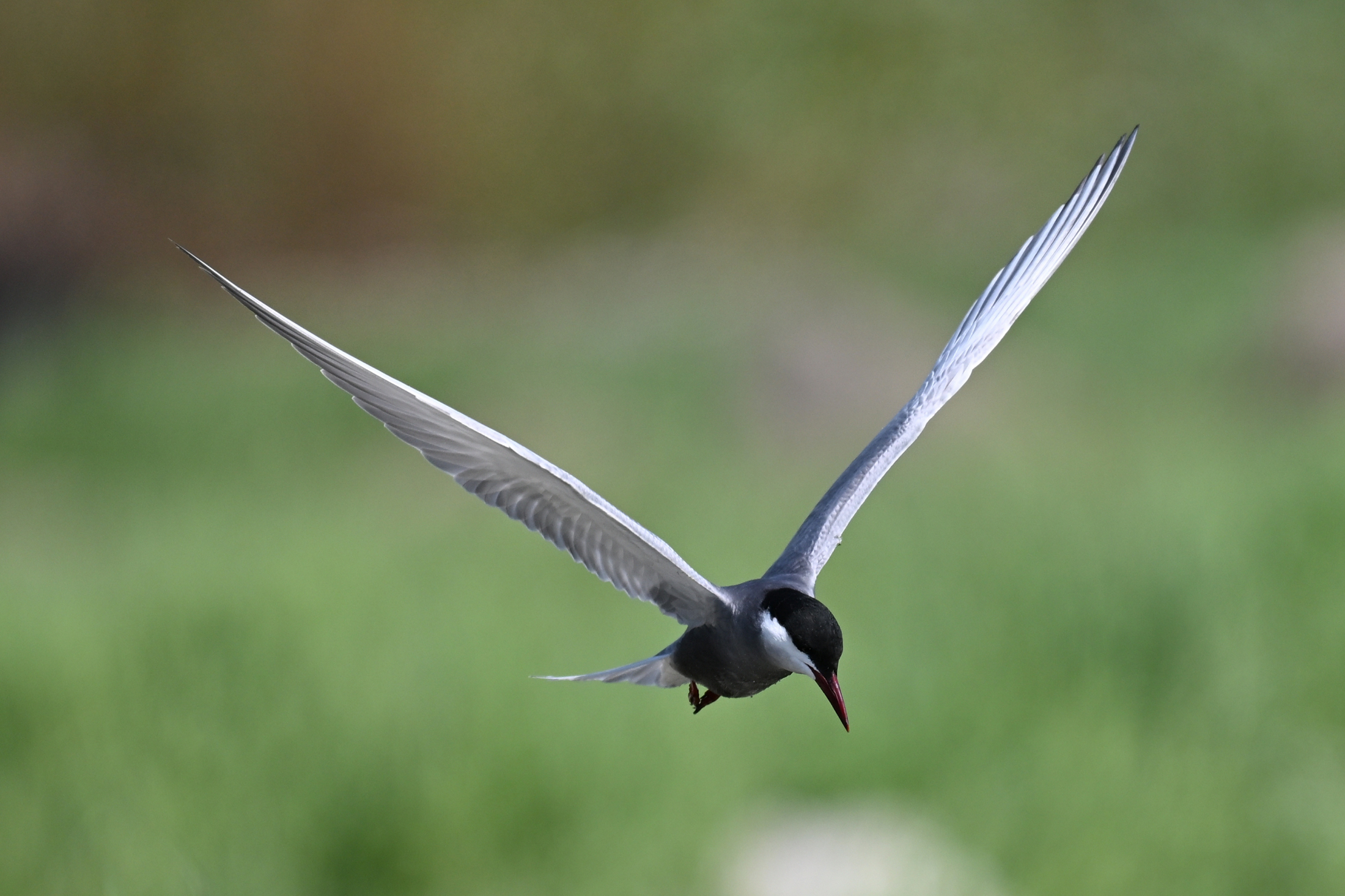
Later that day we shifted habitats completely and visited Siemianówka Lake before our planned excursion into the Strict Reserve. The reservoir produced Hobby, Greater Spotted Eagle, Marsh Harrier and numerous waterbirds including Wigeon, Teal, Shoveler, Great White Egret and Black, Common and Whiskered Terns. Citrine Wagtail and Icterine Warbler were also recorded. The undisputed highlight, however, was an exceptionally confiding Corncrake. The bird sang repeatedly only around ten metres from our group, offering some of the best views imaginable of this notoriously elusive species. On the drive we also encountered an impressive herd of approximately 40 European Bisons — an unusual sight in broad daylight in May.
In the afternoon we met our local guide and entered the Strict Reserve of Białowieża National Park, a UNESCO World Heritage Site. Walking through the untouched primeval forest was a truly special experience. With very few other visitors around, we had time to appreciate how Europe’s original lowland forests once looked. Collared Flycatchers were abundant and both Middle Spotted and White-backed Woodpeckers showed well. One lucky participant even spotted a Pine Marten.
With nearly all major targets already seen, we enjoyed a relaxed evening meal before preparing for early mammal-focused start.
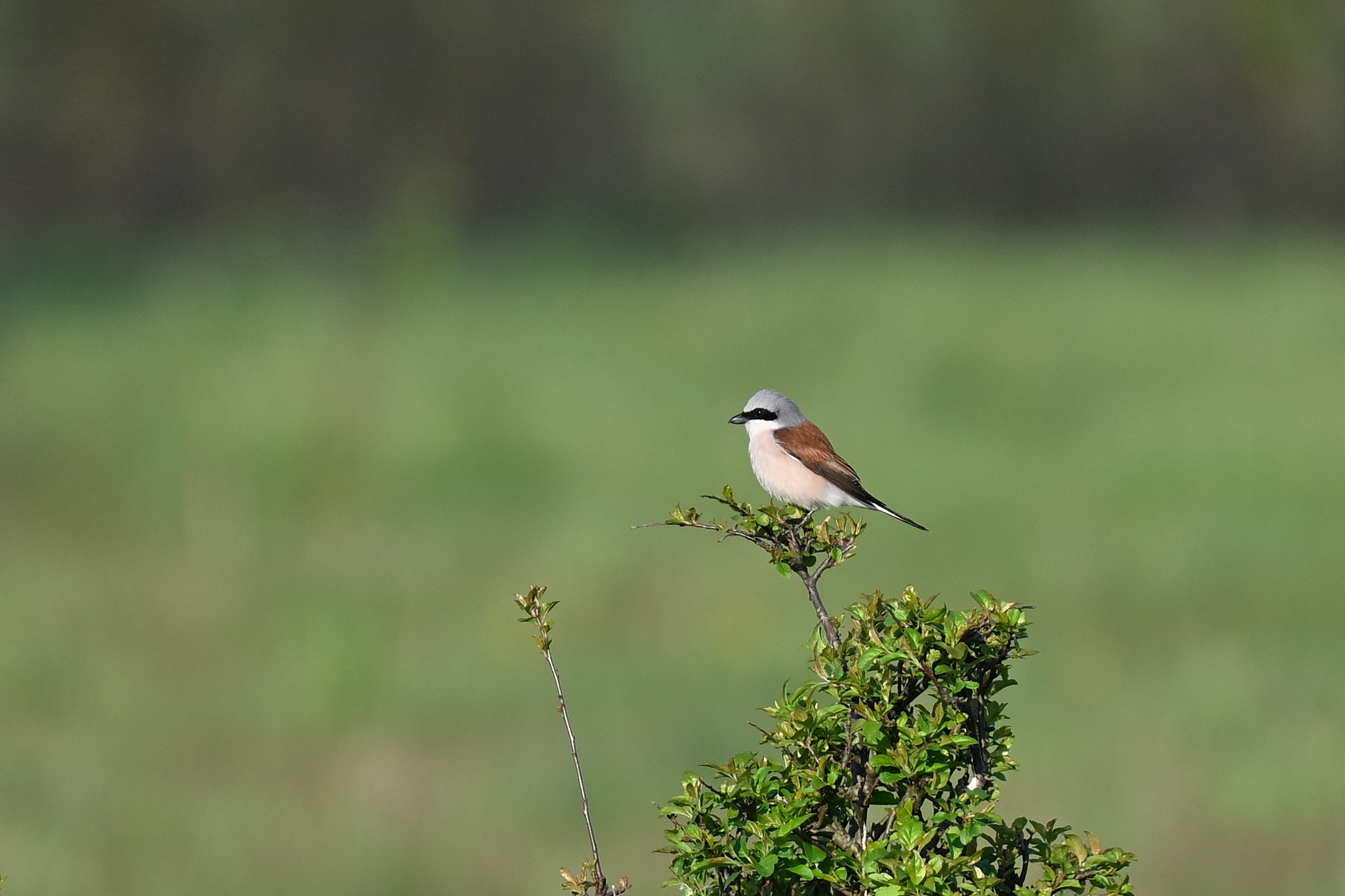
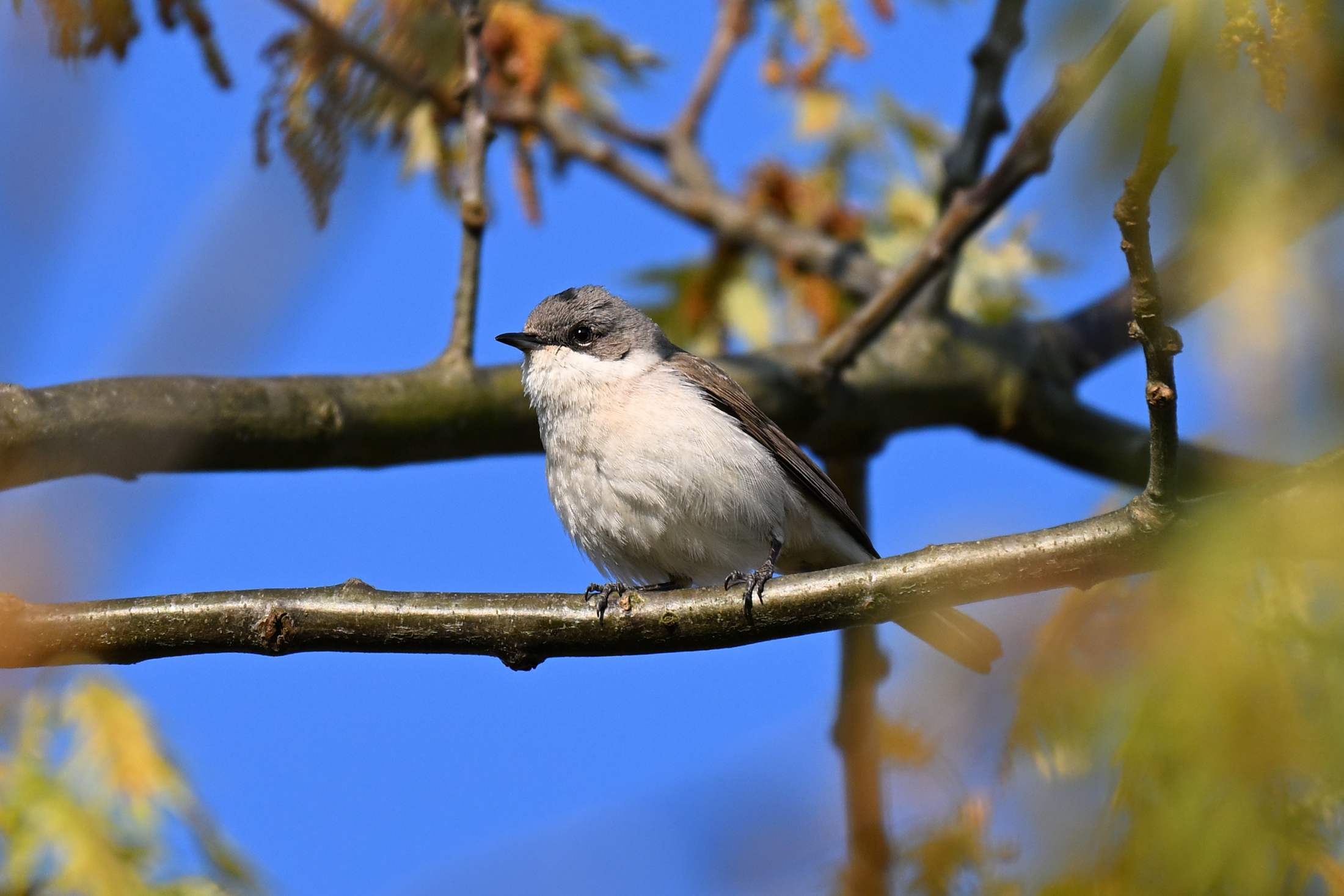
And here we were ready at 4:30 a.m. to look for some mammals. We visited the area belonging to a local wolf pack, but no luck except for Red Deer & Red Fox. While we were exploring the wood a few Golden Orioles were chasing each other & showed up nicely in the tree tops. Open meadows failed to produce larger mammals, though Red-backed Shrike and Grey-headed Woodpecker were added to the morning list. A walk along a small stream proved far more productive, with Lesser Whitethroat, Common Redstart, Skylark, Wryneck, Icterine Warbler, Savi’s Warbler, two Common Snipes and another European Bison bull all encountered.
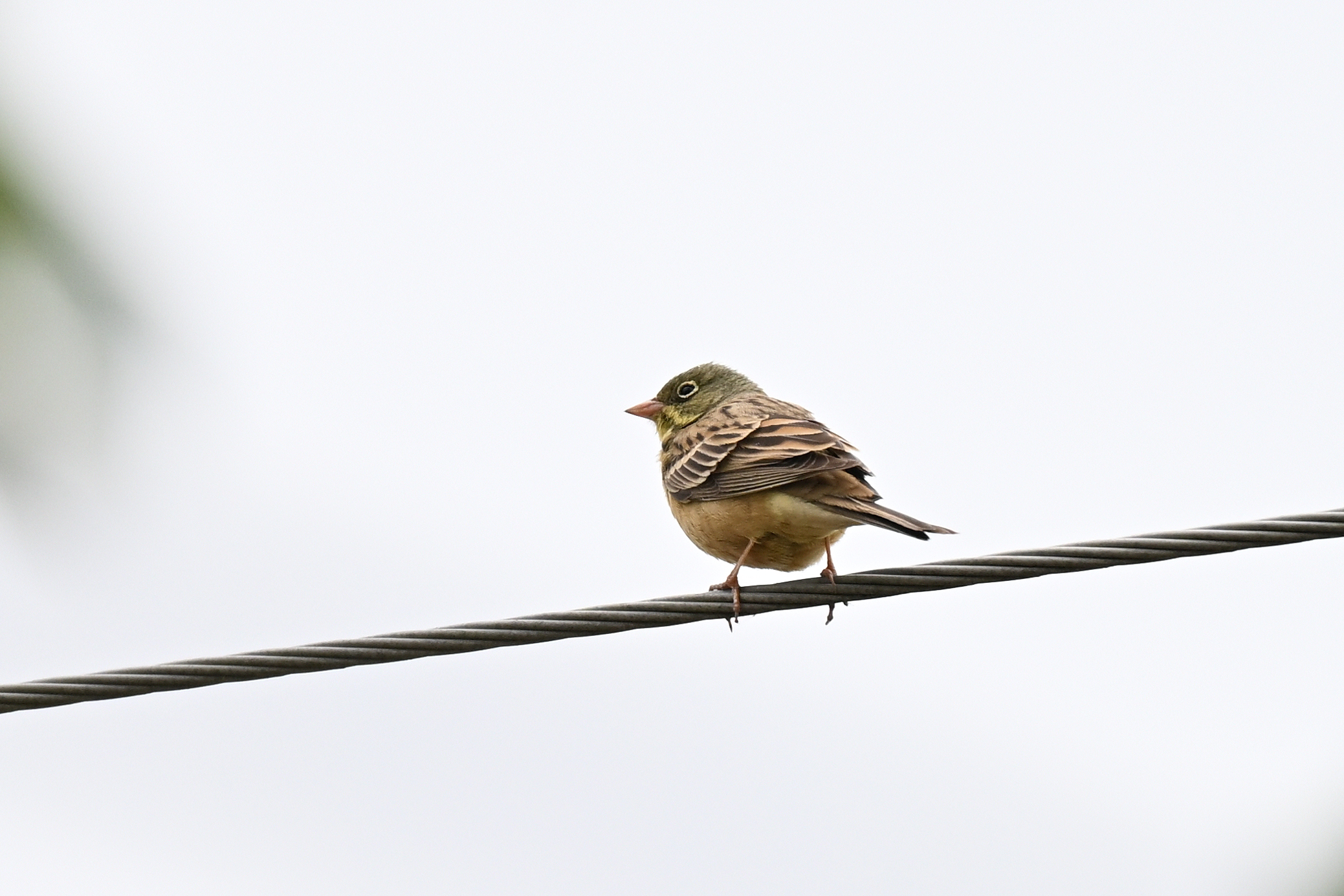
After breakfast we visited Białowieża Palace Park and later the open farmland west of the forest before forecast rain arrived. In the park we enjoyed close observations of nesting Collared Flycatchers and Middle Spotted Woodpeckers. On the agricultural plains near Hajnówka we searched for Ortolan Bunting and Montagu’s Harrier. The first species initially avoided us, but eventually both Ortolan Bunting and a superb male Montagu’s Harrier were found together at another site. Additional females of Montagu’s Harrier, Yellowhammer and numerous Yellow Wagtails completed the afternoon before the rain finally arrived.
Despite light drizzle we still attempted evening mammal watching and managed several Red Foxes, Northern White-breasted Hedgehog and Tawny Owl.
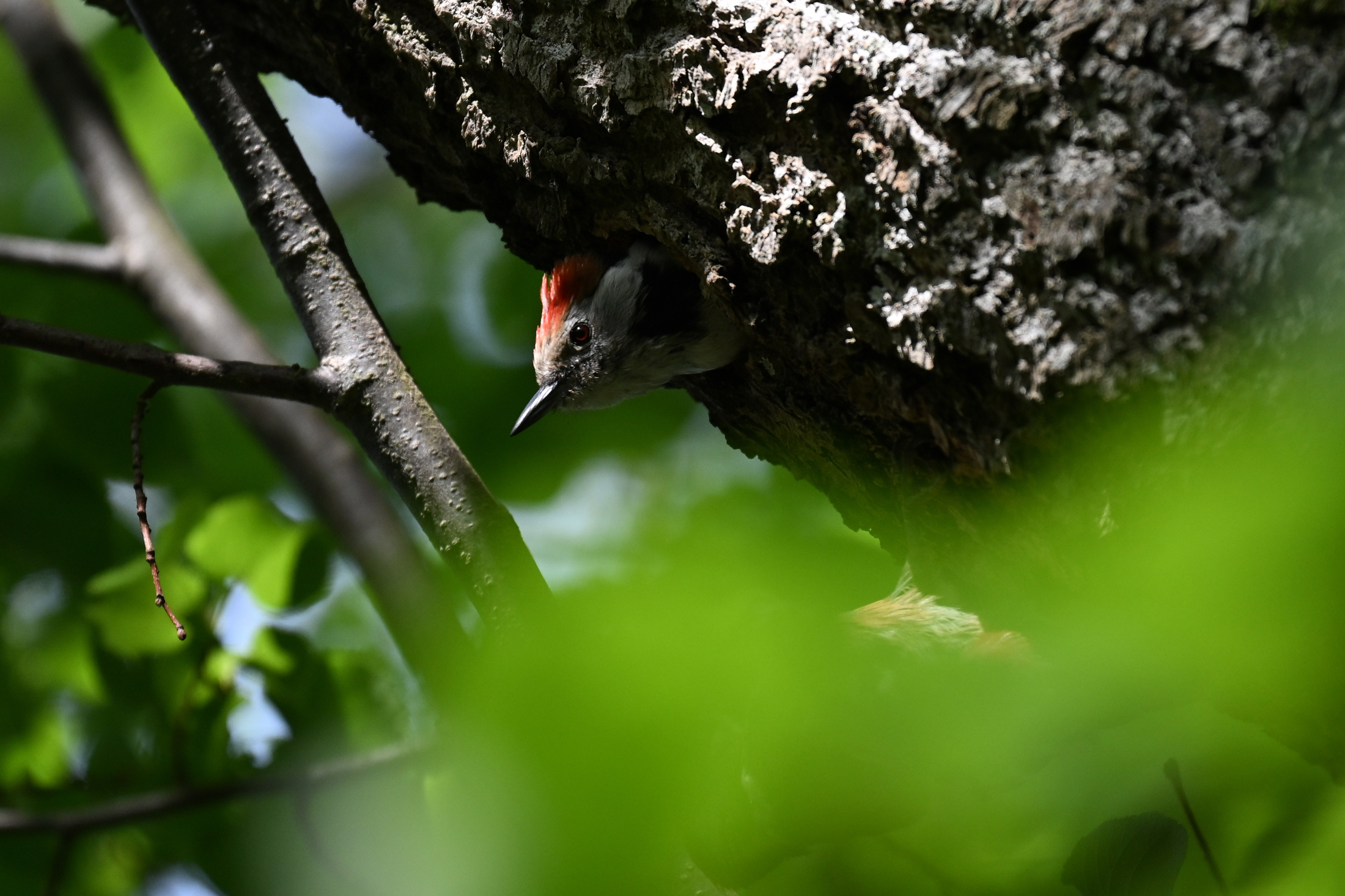
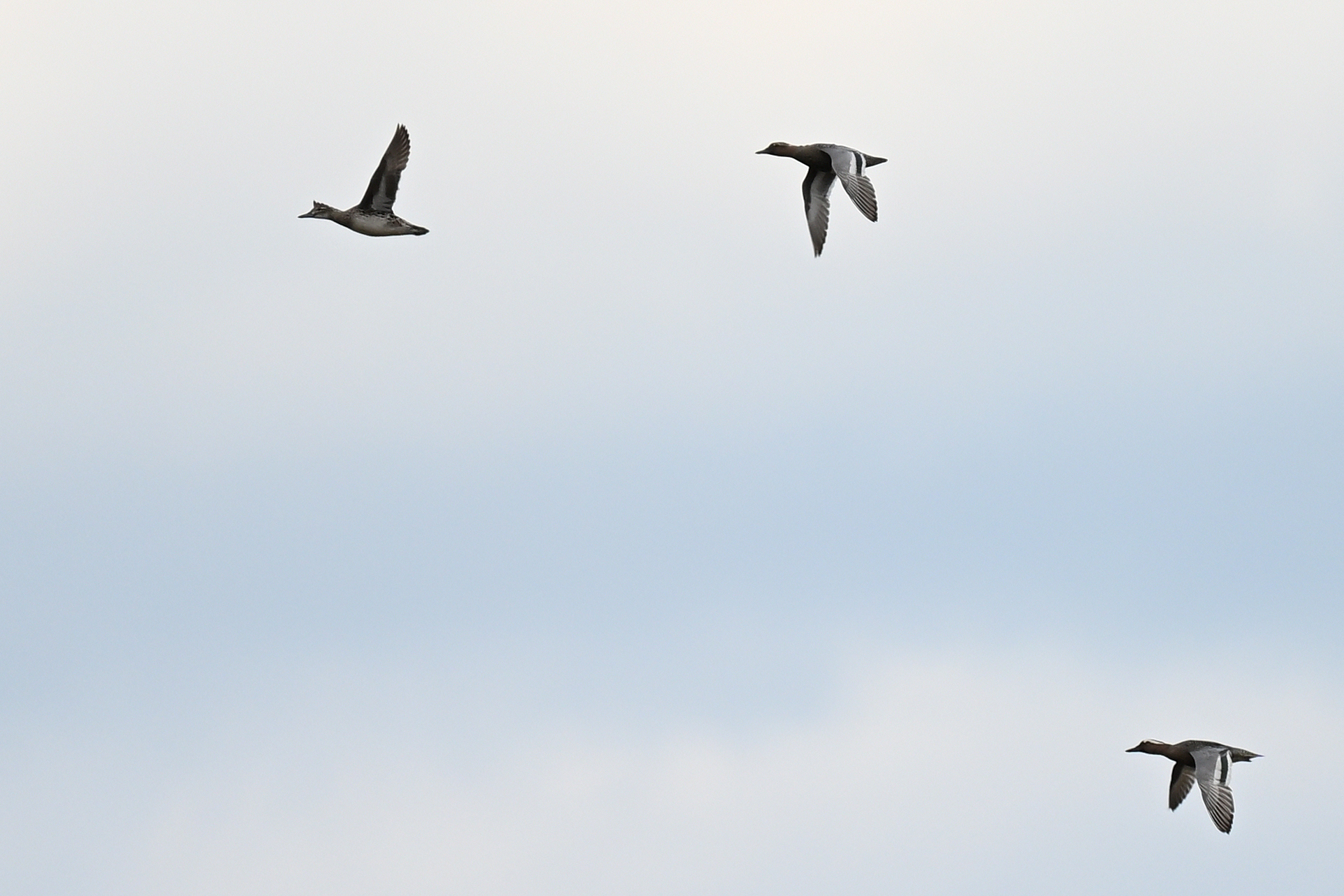
With most targets already secured, Day 5 started more leisurely before we travelled northwest towards the Biebrza Marshes. En route we stopped at Dojlidy Fishponds near Białystok where Red-necked Grebe, Great Crested Grebe, Garganey, Little Crake (seen by some), Grey-headed Woodpecker, Whiskered Tern and booming Fire-bellied Toads were all recorded. We also searched two sites in Białystok for Syrian Woodpecker, but despite our efforts this remained the only major species missed during the tour.
Arriving in the Biebrza Marshes during the afternoon, we immediately began exploring. White-tailed Eagles, Black Stork, Whiskered Terns, Black-tailed Godwits and Redshanks were all present, while Hoopoe, Montagu’s Harrier and Grey Partridge appeared along roadside meadows.
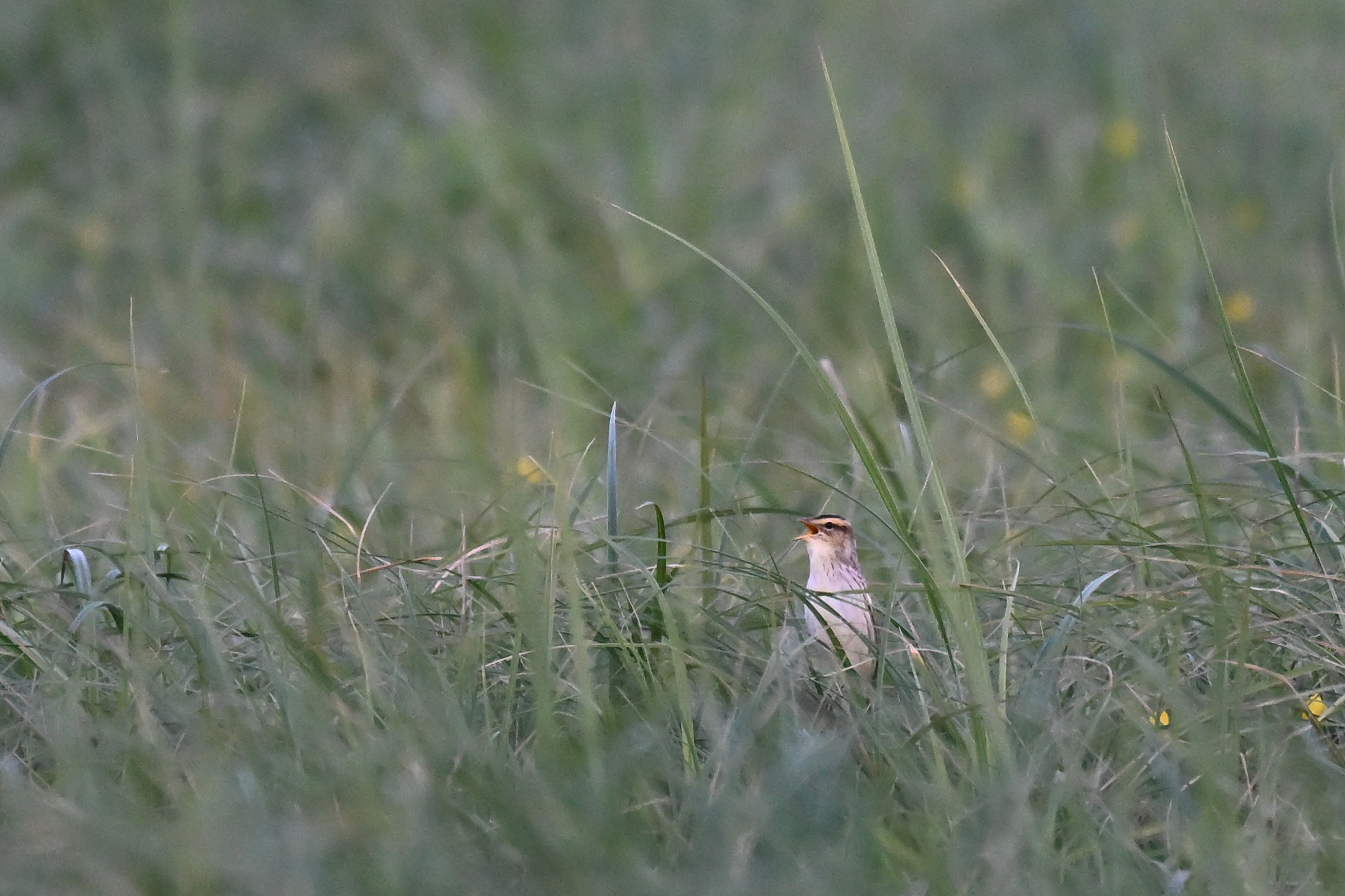
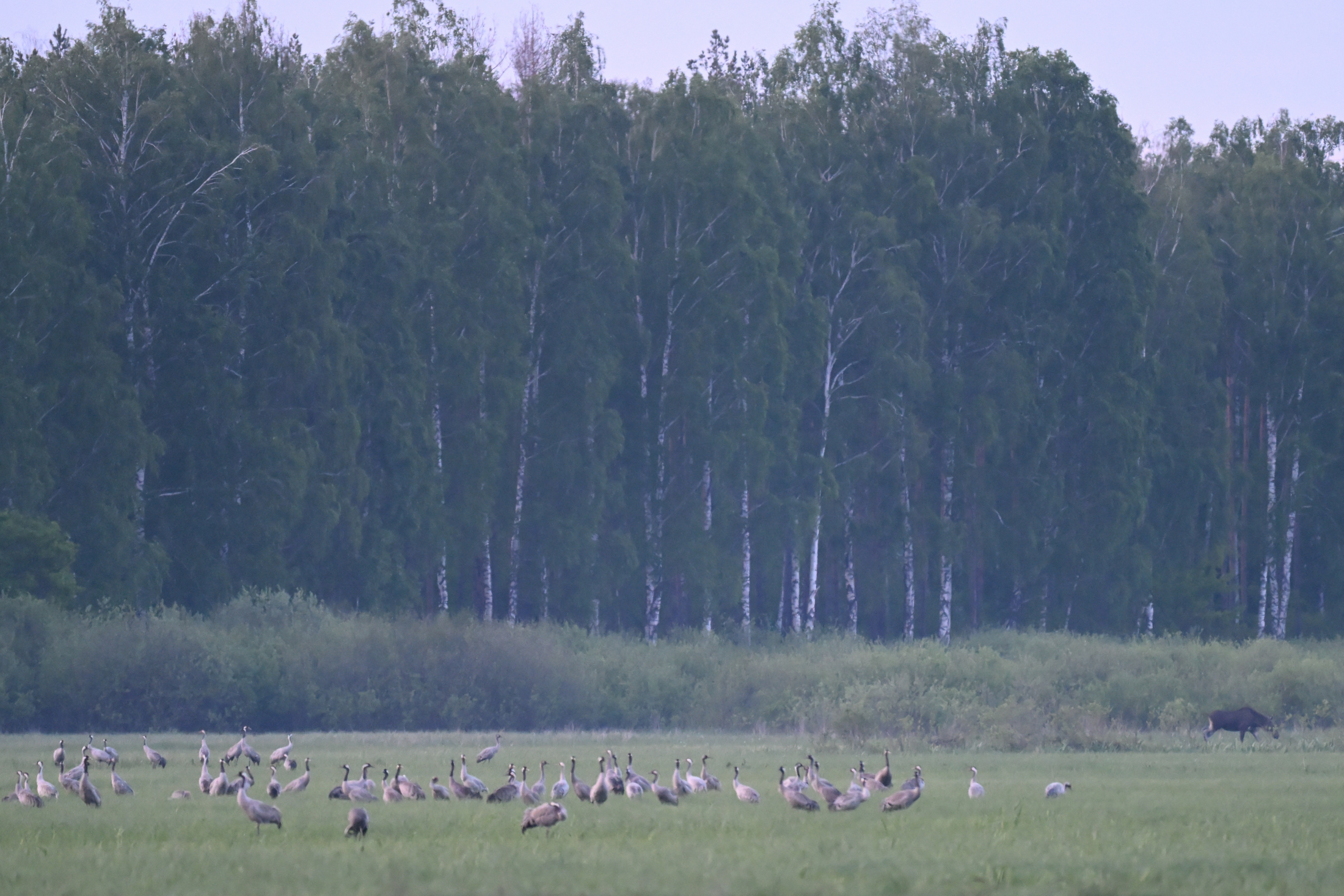
The evening promised another major highlight. Before our planned Beaver boat trip we visited a site for Aquatic Warbler — Europe’s rarest songbird. Around sunset at least four males sang actively from sedge meadows while a flock of around one hundred Cranes gathered to roost nearby. A female Elk (Moose) added further atmosphere. Common Snipes drummed overhead while Cuckoos, Grasshopper Warblers and Savi’s Warblers filled the marshes with sound.
The Beaver boat excursion afterwards was equally memorable, producing at least five Beavers alongside countless singing Thrush Nightingales in a spectacular natural river valley setting.
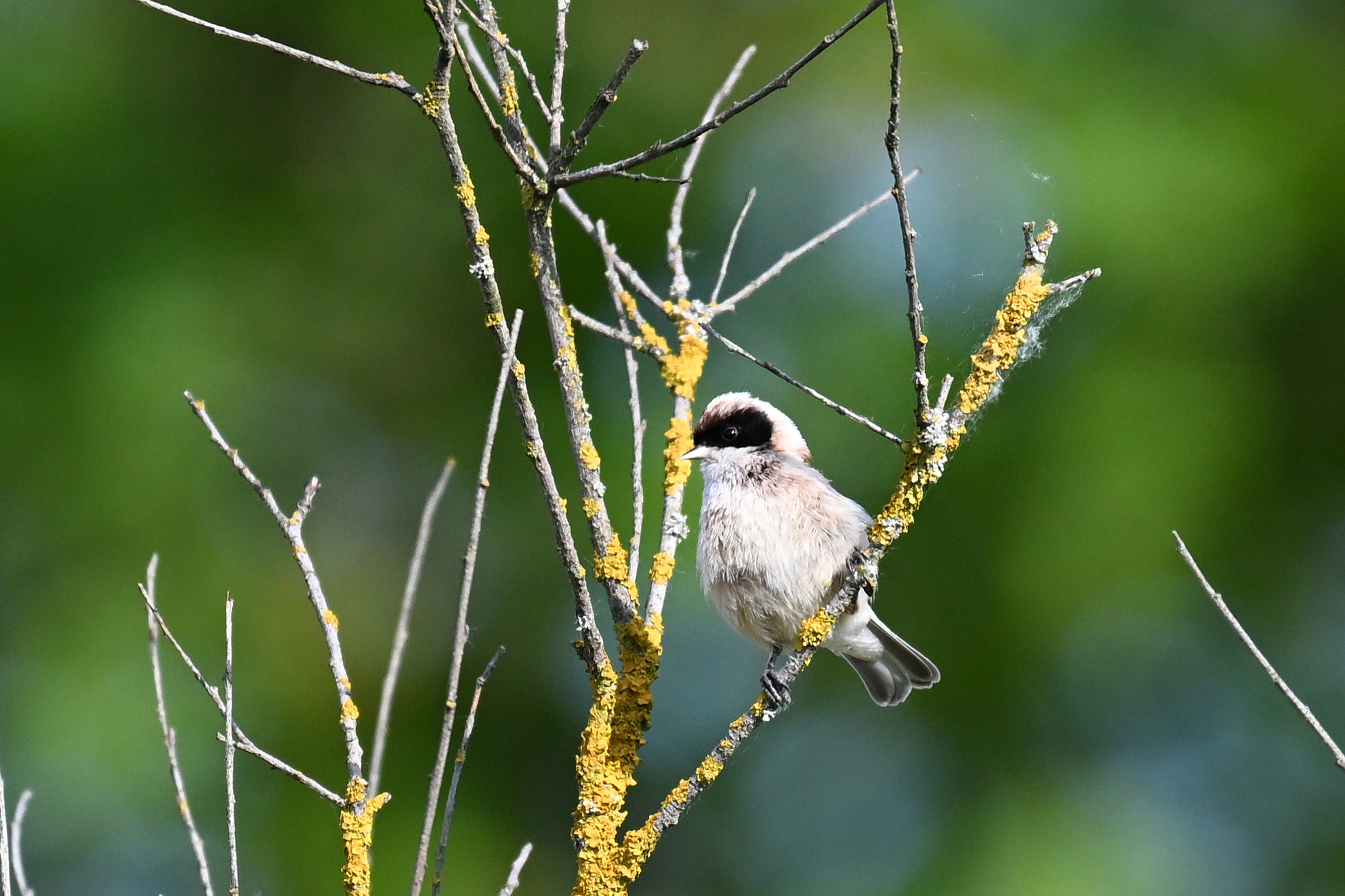
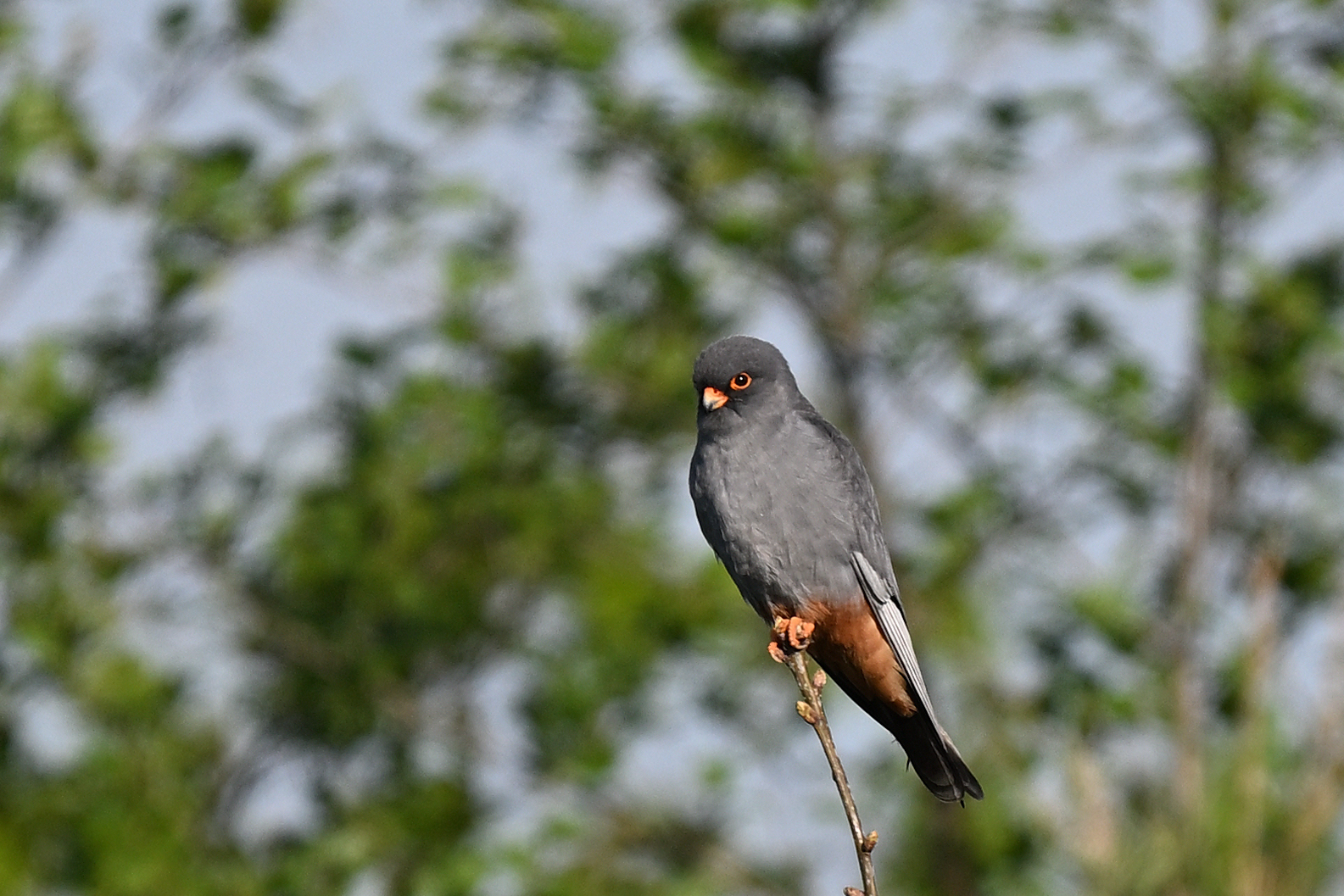
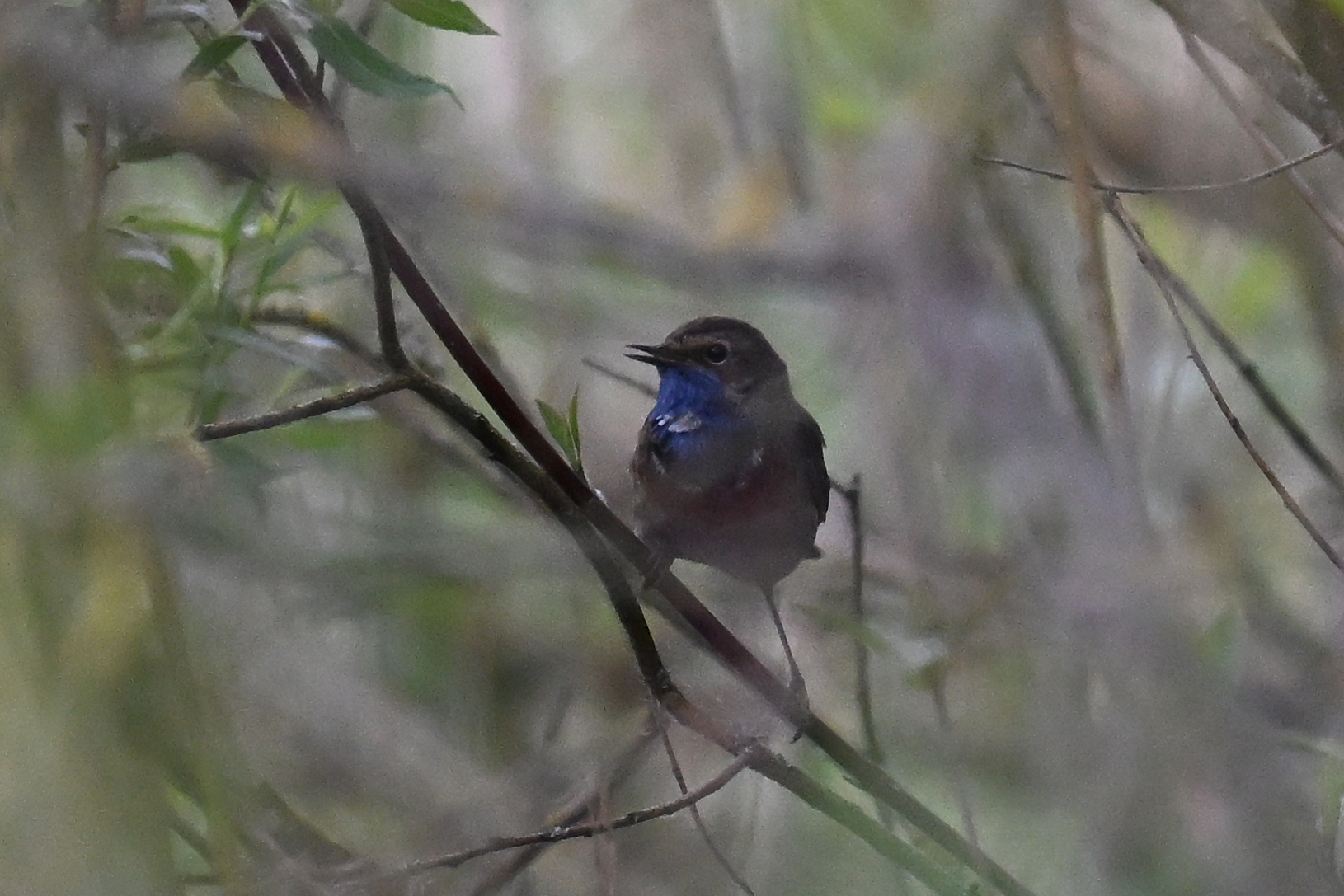
Day 6 started with searches for Bluethroat and Penduline Tit. Almost immediately after leaving the bus a Black Woodpecker flew past at close range. Soon afterwards we found a female Red-footed Falcon and shortly later a stunning male joined her on a nearby bush, allowing prolonged observations as they hunted dragonflies together. Hobby and Black Stork also appeared overhead.
Our first attempt at Bluethroat produced only singing birds hidden in dense vegetation, but Penduline Tit proved much more cooperative, with a pair showing beautifully at close range.
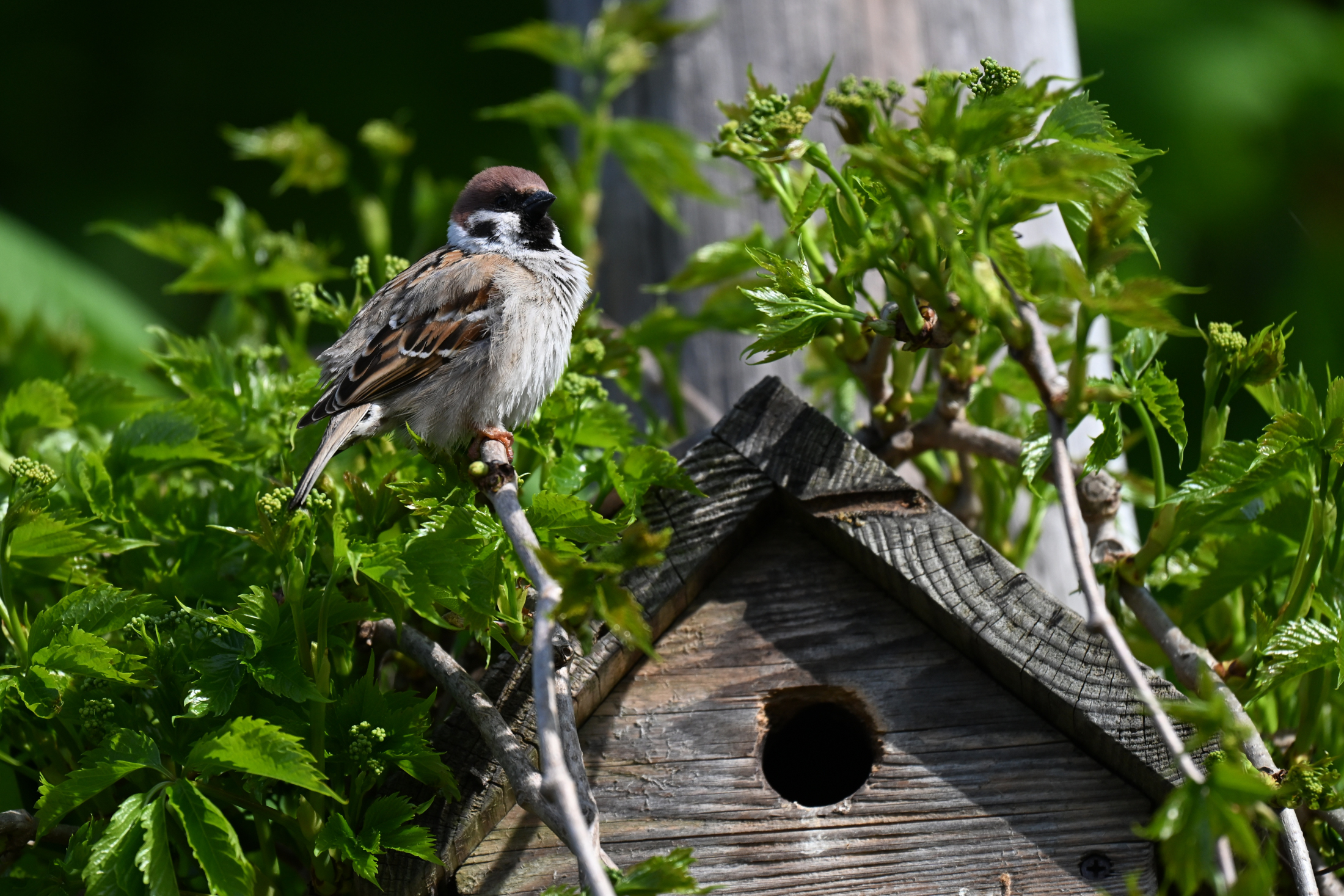
The rest of the day was spent exploring observation towers and viewpoints across the Biebrza Marshes. Species recorded included waders like Ruff, Black-tailed Godwit, Wood Sandpiper, Lapwing, Redshank, raptors like Red Kite, White-tailed Eagle, Greater Spotted Eagle, as well as terns: White-winged, Black & Whiskered, and passerines like Wheatear & Tree Sparrow. Little Egret and two distant Elk (Moose) were also seen with former being quite a rarity in NE Poland. Particularly memorable were the Whiskered Terns feeding only metres away from us.
Later that afternoon we finally obtained decent views of Bluethroat and visited Ławki Fen, Poland’s most important breeding site for Aquatic Warbler. Several singing males were present together with numerous drumming Common Snipes, Whinchats, Meadow Pipits, as well as hunting Greater Spotted Eagle and Montagu’s Harriers.
Our final dinner took place in the beautiful historic town of Tykocin, famous for its Jewish heritage and picturesque market square.
It was our last day of the tour and as we saw pretty much everything, so nothing was planned before breakfast on Day 7. We packed our luggage into the bus and decided to make two stops before having our final meal and heading to Warsaw.
In the first place we wanted to try & get some better view of Bluethroat, but no luck with this species however we saw Red-backed Shrike, Barred Warbler & another close Penduline Tit there. The last stop was at the vast meadows where remaining population of Curlew breeds & indeed, we saw a pair of Curlews, probably next to their nest.