When: 5 days in mid September 2025
Where: Białowieża Forest & Biebrza Marshes
Who: Naja from DK, Alison from NIR & Alessio from IT
Type of the tour: Autumn tour
Highlights: woodpeckers (White-backed, Middle spotted, Lesser Spotted, Three-toed, Grey-headed, Black), Pygmy Owl, Lesser & Greater Spotted Eagles, Osprey, Goshawk, Firecrest, Crane, 8 species of Tits + Bisons, Elks, Beavers, Racoon Dogs, Red Deers, Red Squirrels, Roe Deers.
Trip report
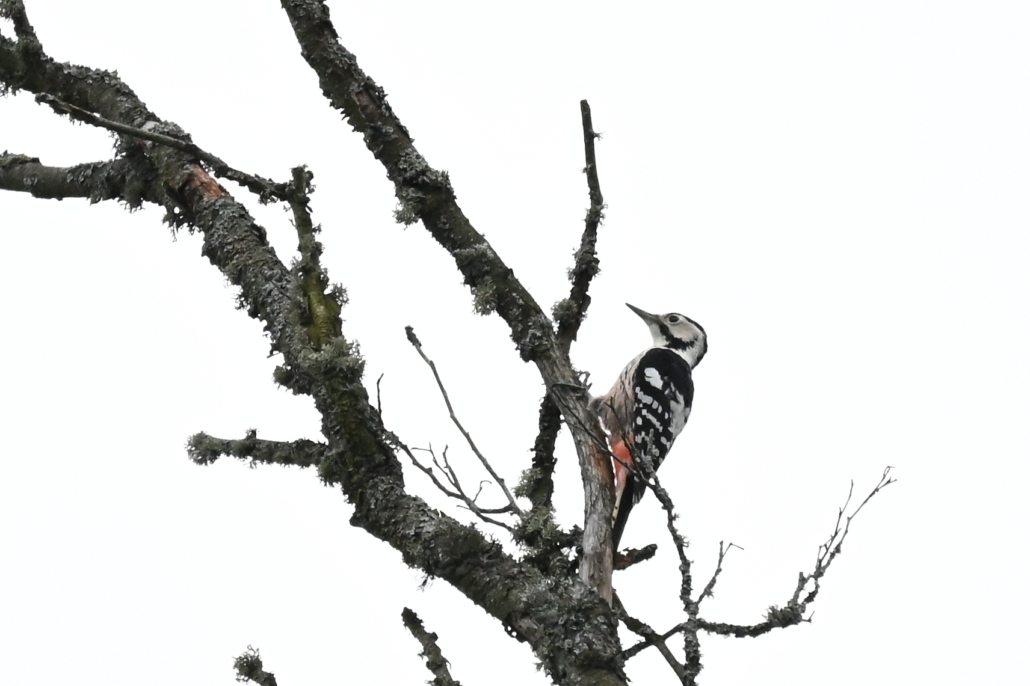
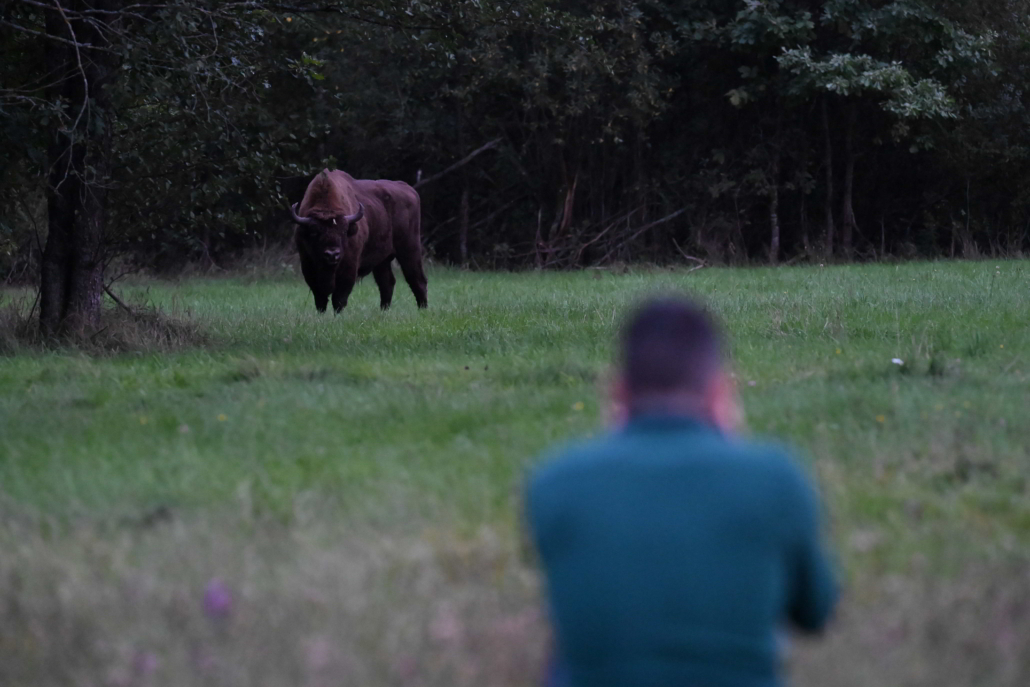
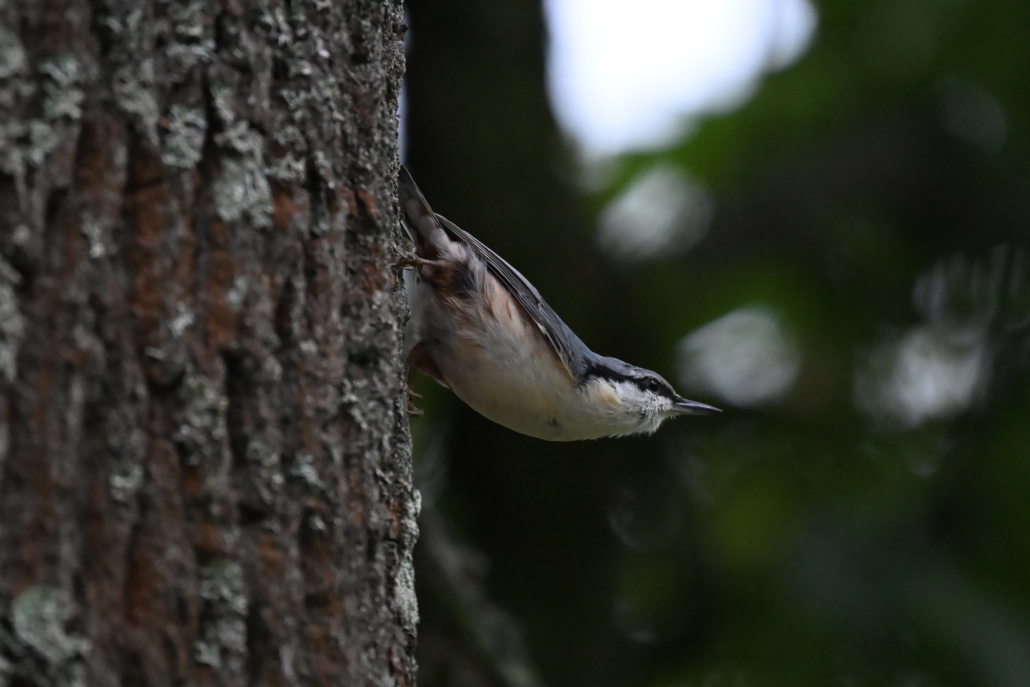
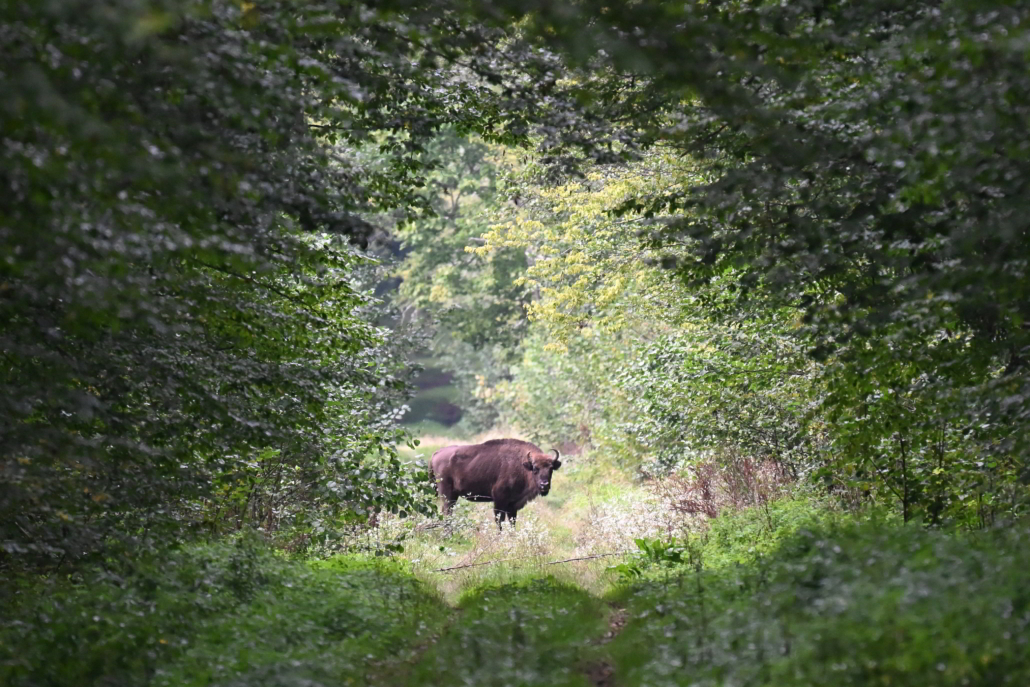
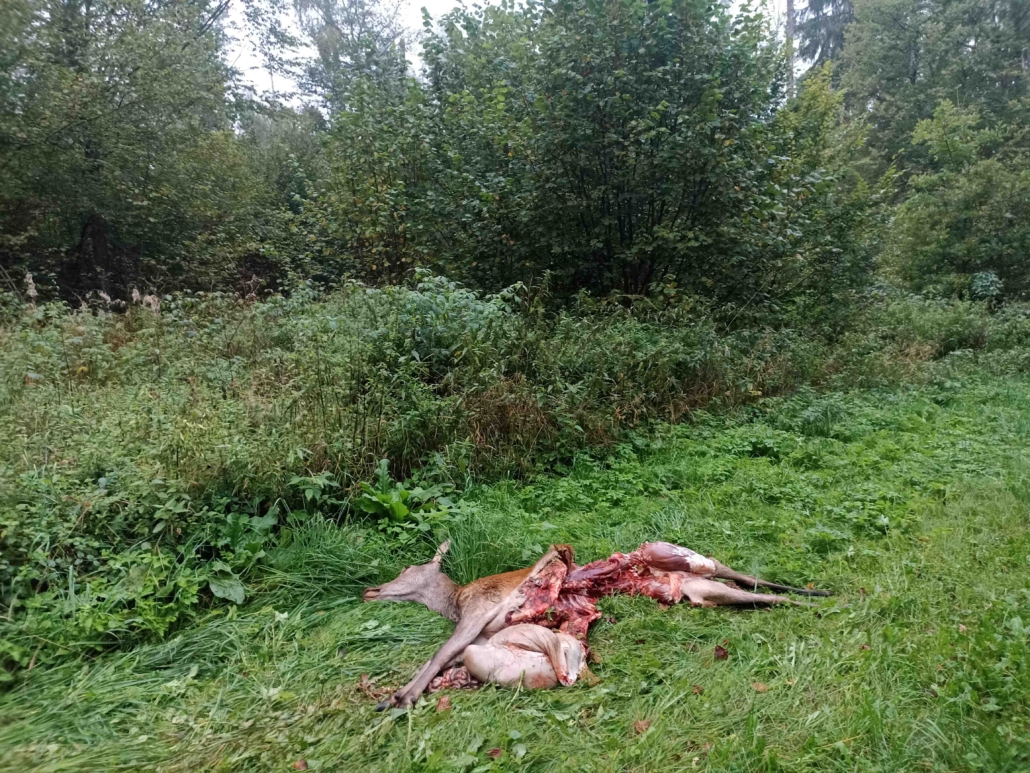
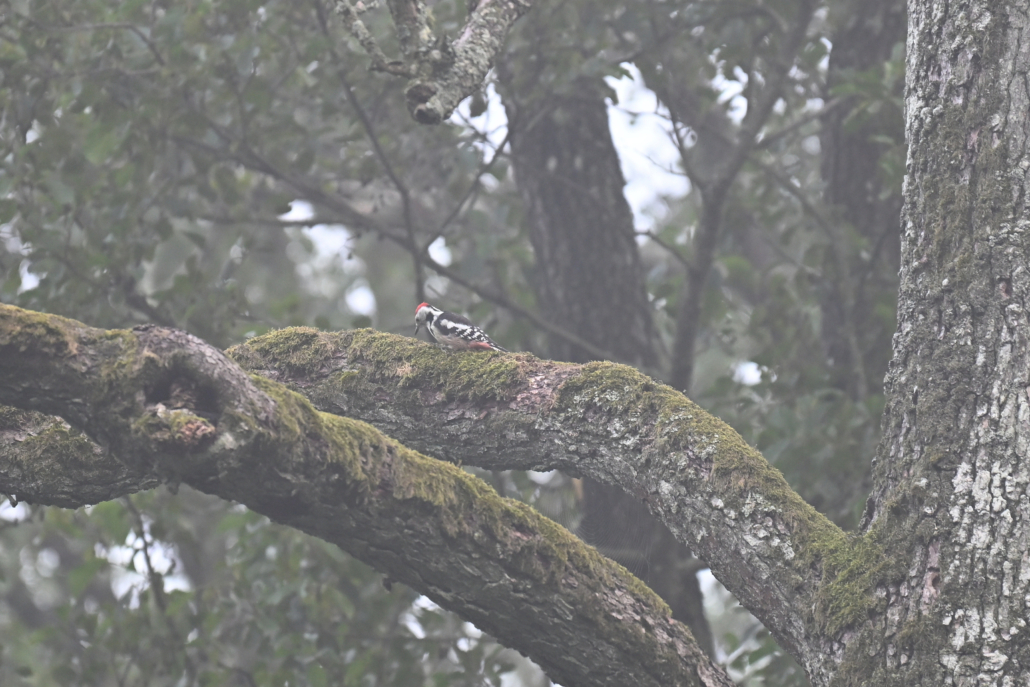
After collecting all of the participants in Warsaw, a journey to Białowieża Forest was set up, arriving around 3 p.m. After a short check-in at a lovely guesthouse, the afternoon exploration began. We decided to visit some old-growth woodlands with a hope for woodpeckers & then try around sunset for some mammals. We walked into the Forest and soon found our first Nuthatches as well as Long-tailed & Marsh Tits. The first woodpecker search stop was planned at a loose alder woodland where we only had the commonest one – Greater Spotted Woodpecker. Despite relatively early hour (5 p.m.) Red Deer stags were intensively roaring. At the next stop, the target was finally reached – a rare woodpecker, White-backed. The female showed quite well & we were able to observe it while listening to the roaring – I think that was the first experience like this in my life! On the way back to the car, a few Jays were seen and Middle-spotted Woodpecker heard. As it was getting quite dark we drove to the nearby forest glade in hope for some mammals & indeed, a bull European Bison was grazing there, quite an impressive male. We also found remainings of Red Deer, a recent Wolf kill. Afterwards, a try for Pygmy Owl proved unsuccessful.
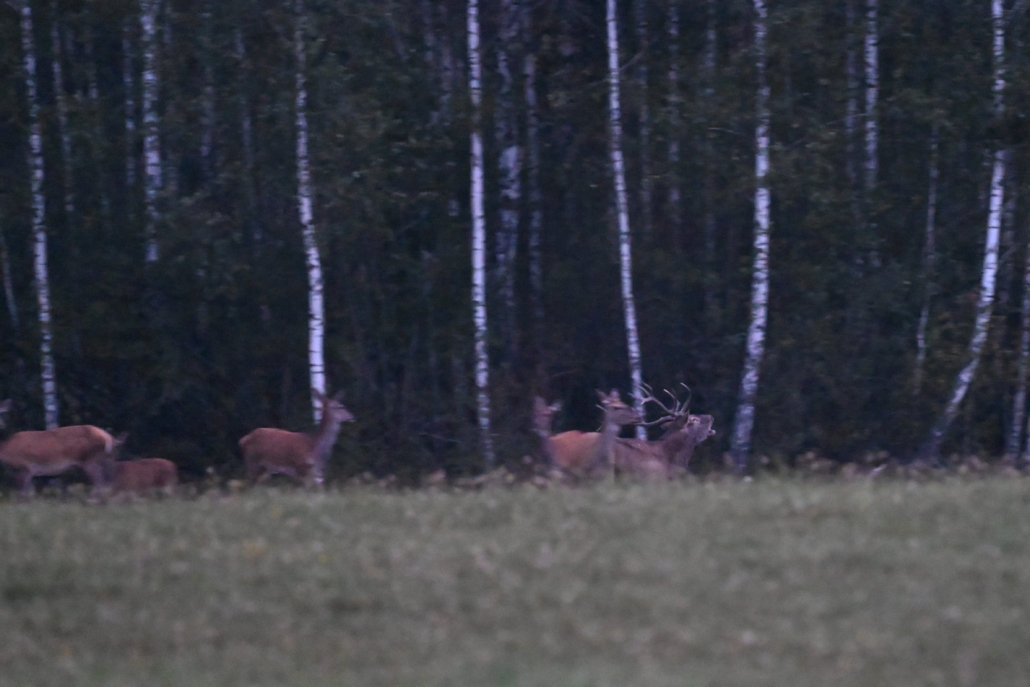
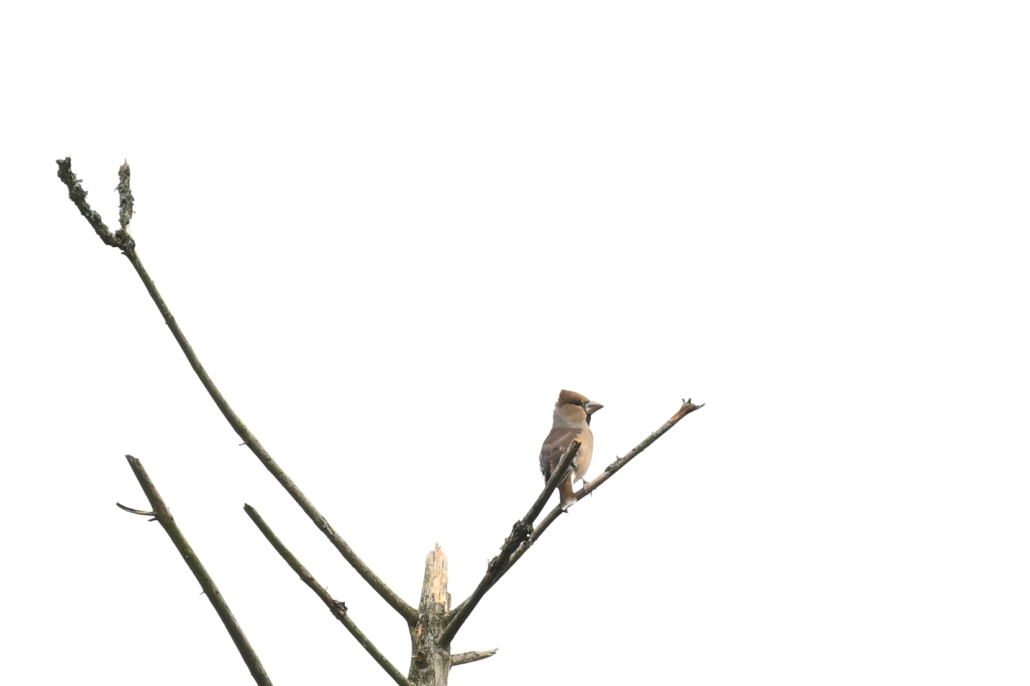
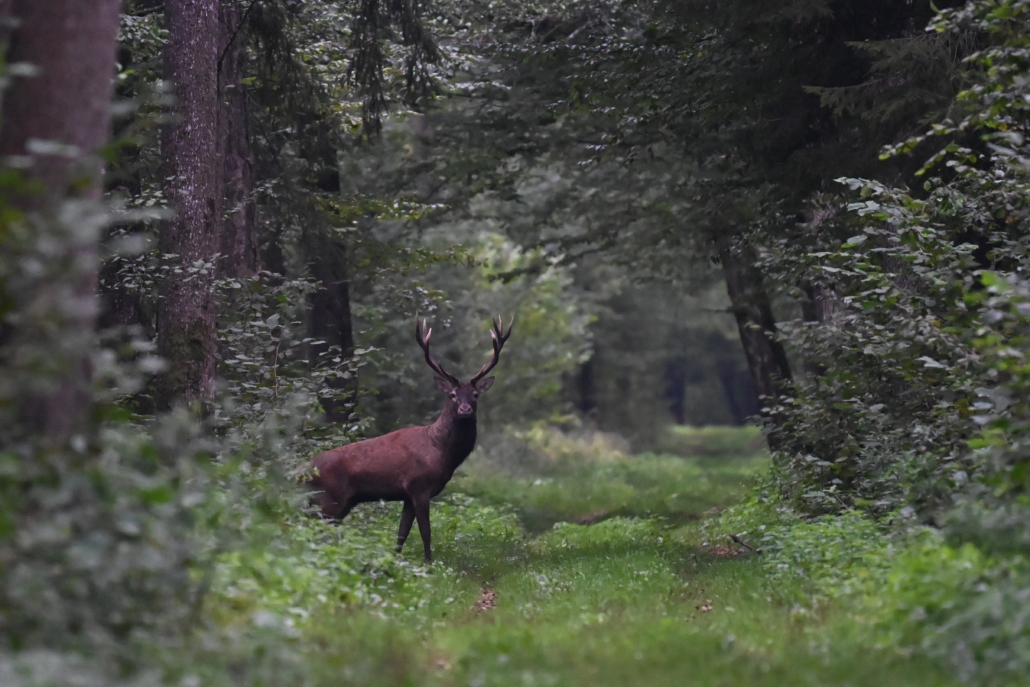
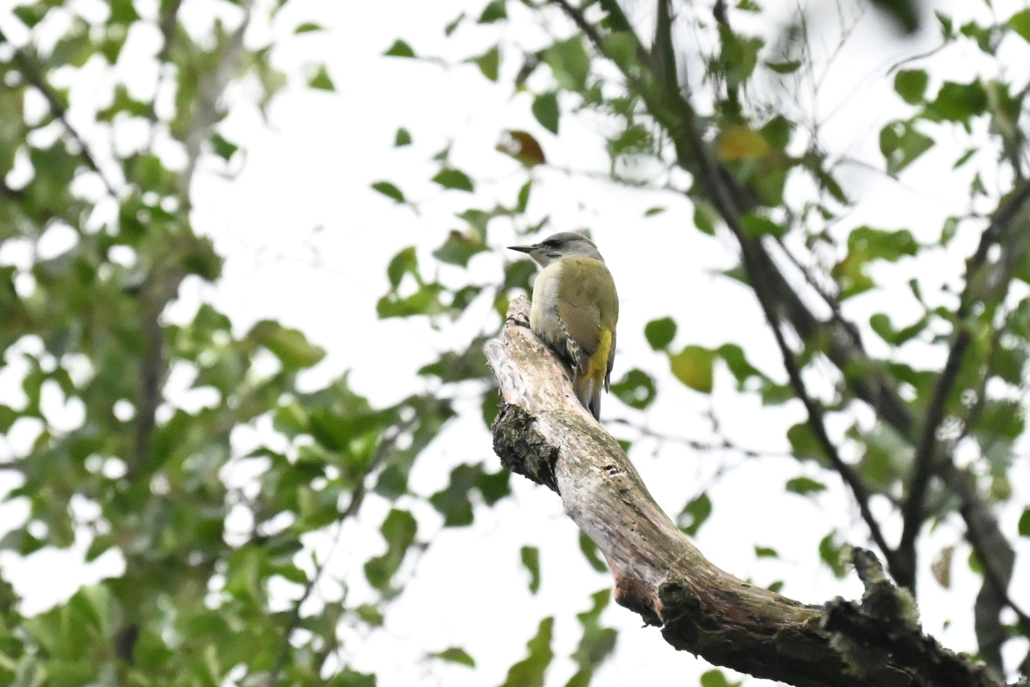
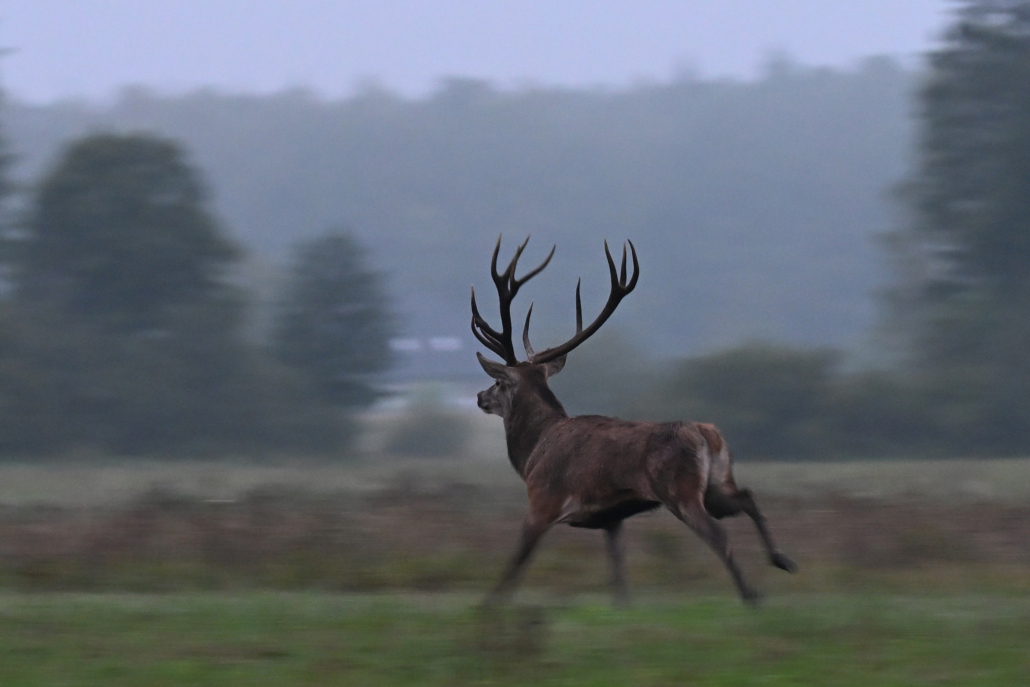
Day 2 began with a dawn mammal search. An early start, an hour before sunset, aimed to be at the right time in a field. Reaching the woodland edge, wildlife observation began with a herd of 35 females Red Deers being guarded by the dominant stag who was keeping every other stag around at the safe distance from the herd! Also nearby two Bisons were slowly walking back to the woods from their „night shift” at the meadows. This scenery played out for an hour until the deers disappeared into the forest. After such a lovely start we continued with some bird search. During our walk we saw Hawfinches, Long-tailed Tits, Treecreepers and a new woodpecker species – Grey-headed. Red Deers were roaring & the area lies within a wolf pack territory, so roads were monitored for possible appearances. And indeed, suddenly the wolf appeared on the forest road,but unluckily it stayed there only for a few seconds and participants were not able to see it. We stayed for a bit around hoping that it might come out again, but only a pretty Red Deer stag did.
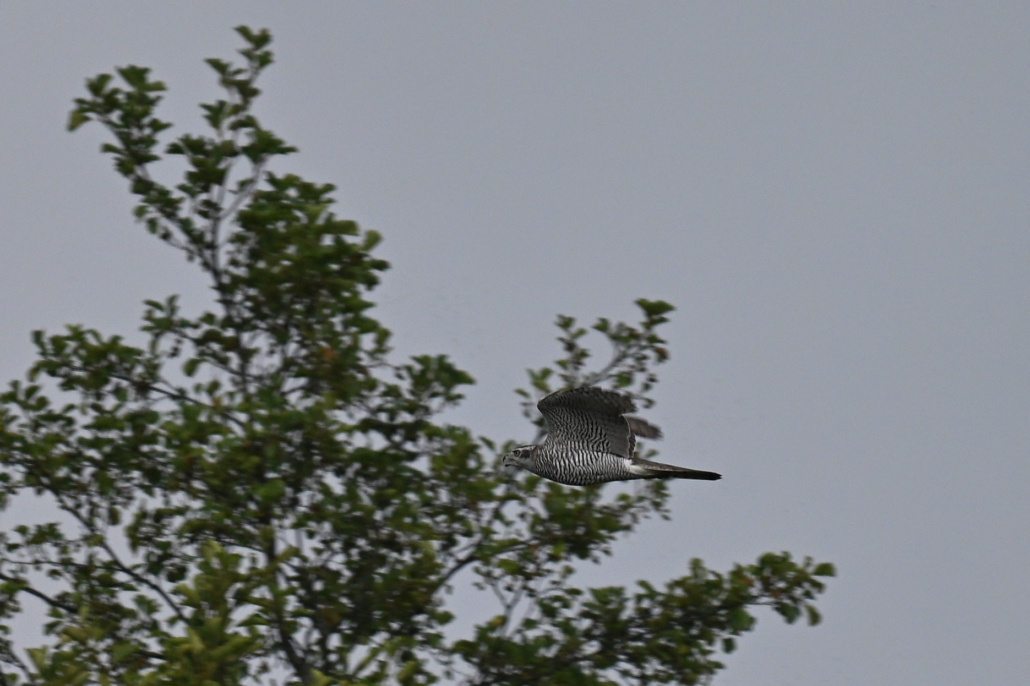
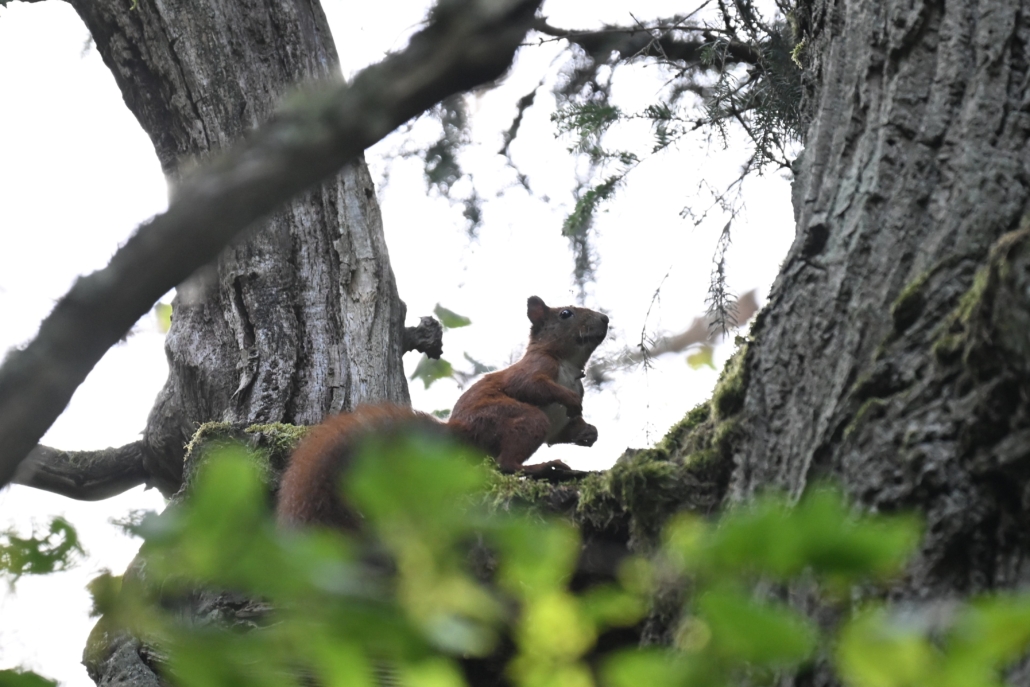
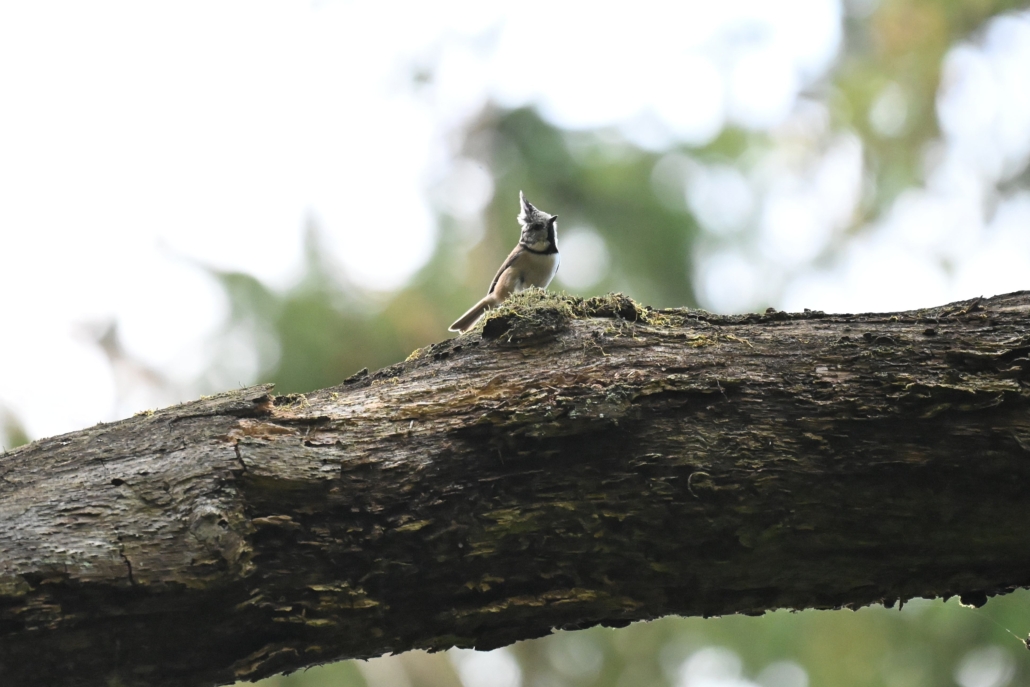
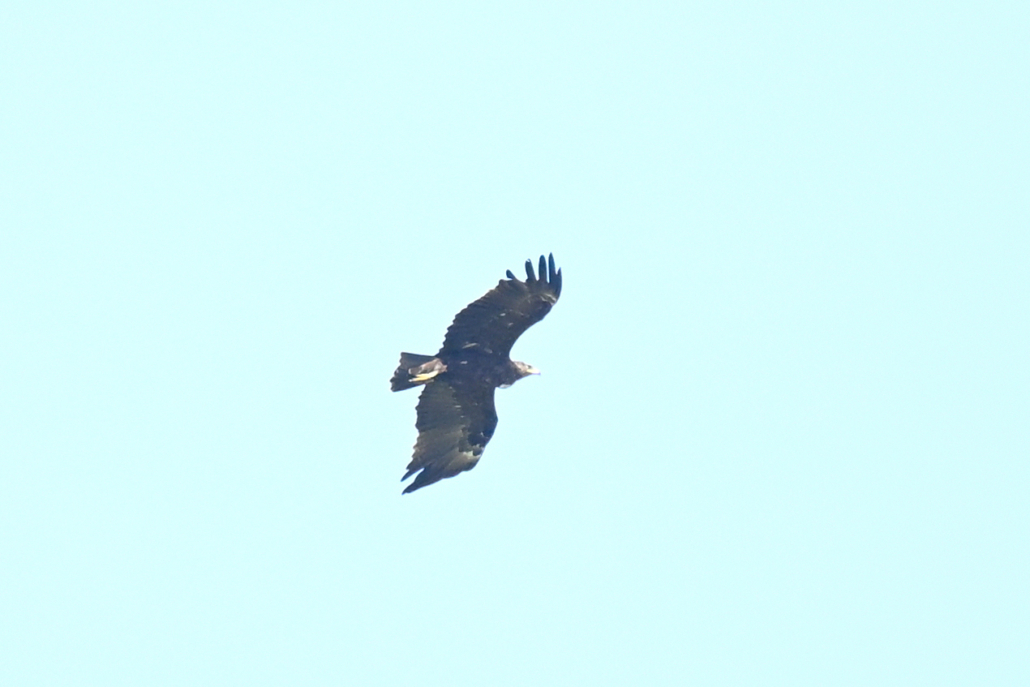
After breakfast we went for a walk in the old-growth part of the forest. But even before that, we saw Marsh Harrier female & while watching it, Alison spotted a hawk hunting for Jays which turned out to be male Goshawk. After this exciting observation we continued our way to the woodlands. The mid-day is usually less active in terms of wildlife, yet two Bison females were observed, and the first Black Woodpecker was heard. We also did a little trek off-road which was a nice experience – walking through the woods visited by humans maybe once a year, only in the Red Deer antler shedding season when people browse the forest. Later on we found some good birds too – Crested Tits, Hawfinches as well as Ravens & a flock of five Lesser Spotted Eagles migrating overhead. Fresh wolf scratching marks and droppings were also noted while two Red Squirrels collected nuts from nearby Hazel.
In the afternoon, another mammal-focused attempt was made, staying until sunset at a stationary point near a forest road crossing in the middle of the woodlands. That proved fruitful, with Red Deer crossing the road several times, a male Black Woodpecker seen well through the scope, and two Raccoon Dogs observed. The owls, however, stayed silent …
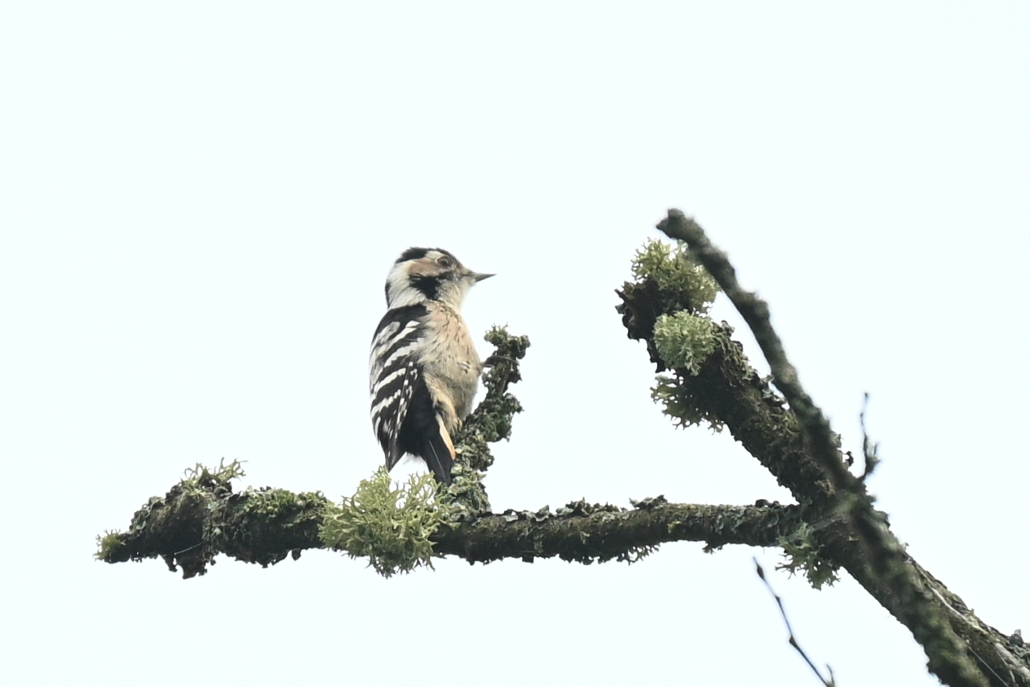
On early morning of Day 3 we planned to look for Pygmy Owl. But again mammals interrupted our plans. Passing a forest glade revealed two Bisons in the open and Red Deer stags roaring around. Soon, we spotted a stag with 3 females & another one on the other side of river valley. I also saw a different one emerging from the woodlands – it was heading right at us. A Red Deer came as close as 40 metres – what a spectacular sight it was! We continued to try with Pygmy Owl, but it was after its morning peak of activity so the bird didn’t show up. On the way to another spot, Alessio spotted a Red Fox with prey, later revealed to be a Red Deer killed by wolves only hours before, a short distance from a busy road. We watched the surroundings of the kill but actually knew it will become too busy for wolves to return to the prey, but it was nice to experience a forest life cycle. The sun showed up so we wanted to try with some woodpeckers nearby. As we arrived to the spot immediately Middle-spotted Woodpecker started to call and soon we were able to watch it at exposed tree. A little bit later also Lesser-spotted Woodpecker became active & perched at a tree top – that was 6th woodpeckers species seen during the tour. A migration of Chaffinches overhead—tens heading south at low altitude—was also experienced.
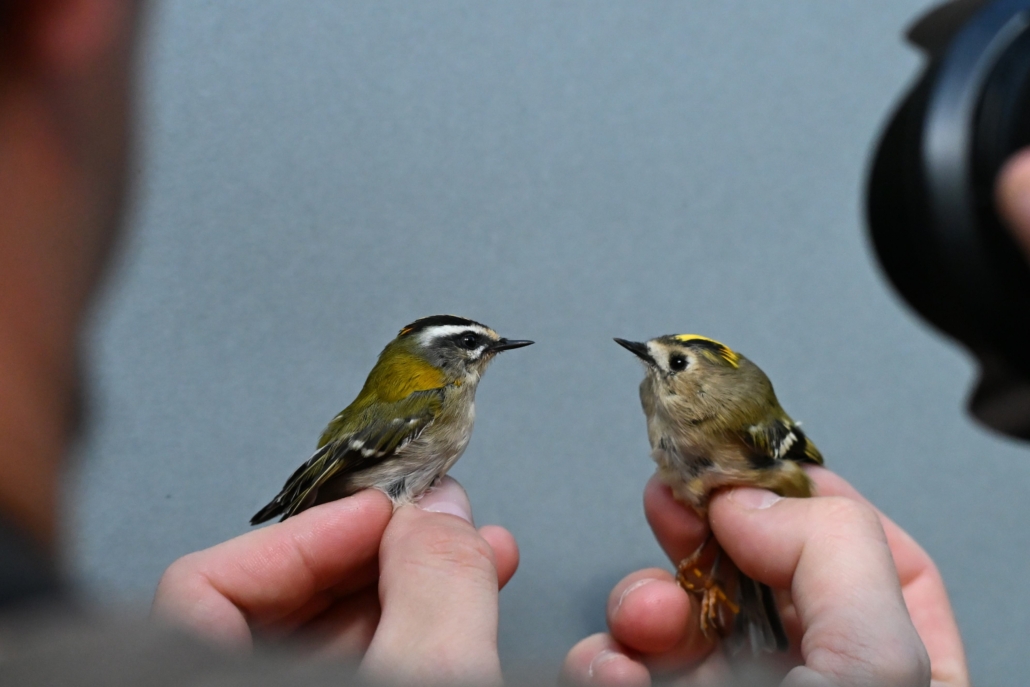
After breakfast, Siemianówka Reservoir and a neighbouring bird ringing camp were visited. NE Poland’s dry year left the lake muddy and distant for most birds, but White-tailed Eagle, Great White Egrets, Cormorants, Gadwalls & Teals as well as two Ruddy Shelducks were observed. We also heard Green Woodpecker here. However, the visit to the ringing camp was far more fruitful. It turned out we probably experienced the busiest day at the station – there were dozens of birds in the nets & even some rare ones, just to name few – woodpeckers (Lesser-spotted & White-backed), tits (Marsh, Crested, Coal, Great, Blue), Jay, Reed Bunting, Firecrest & Goldcrest! Luckily, we were also able to observe a local Greater Spotted Eagle which bred this year near the reservoir – one of the rarest eagles of the world (global population is estimated on 4,000 pairs).
For the afternoon we were planned to do a visit to the Strict Reserve of Białowieża National Park. At 2 p.m. the ranger led the way and provided a forest ecology lesson, revealing how European woodlands should look like. Wildlife sightings were modest, but a new mammal, Bank Vole, was added to the list — the dominant rodent in the area.
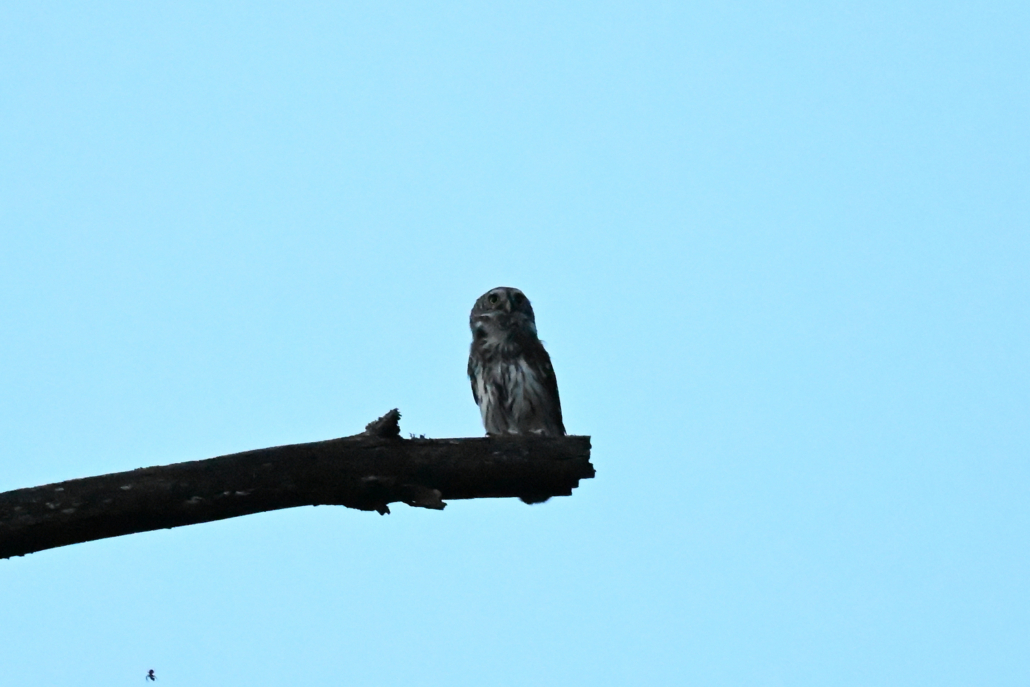
In the evening we wanted to try with Pygmy Owl. A longer stay in the field, at least until half an hour after sunset, paid off at the second site, where an amazing view of a bird perched on a branch 30 metres away was obtained. There also another Pygmy Owl called together with Tawny Owl female that became active when it went completely dark.
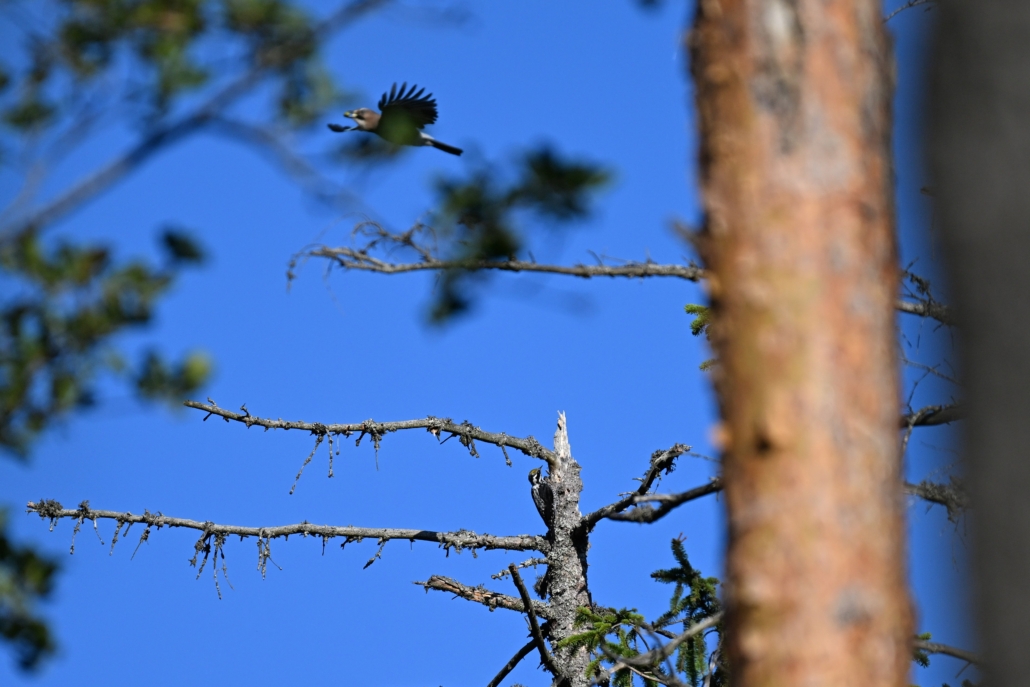
Early morning on Day 4 was spent intensively searching for wolves. At dawn a herd of seven Bisons and a few Red Deer females appeared, but that was all for the mammals visible in the morning, and the biggest forest predator remained unfound. A few missing birds were still on the list — Spotted Nutcracker and Three-toed Woodpecker – so we gave them a try. The former responded to calls shortly in the coniferous forest stands but didn’t show up. But the latter presented itself beautifully at the top of a dead spruce, even drumming for a moment — that made it the 8th woodpecker species observed on the tour, not bad at all!
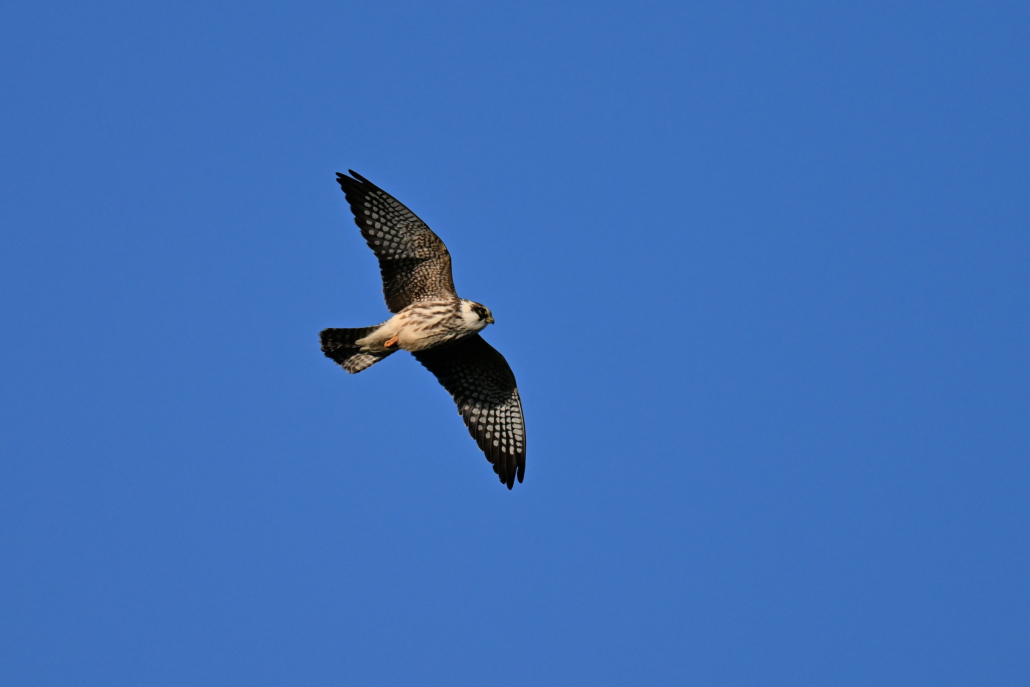
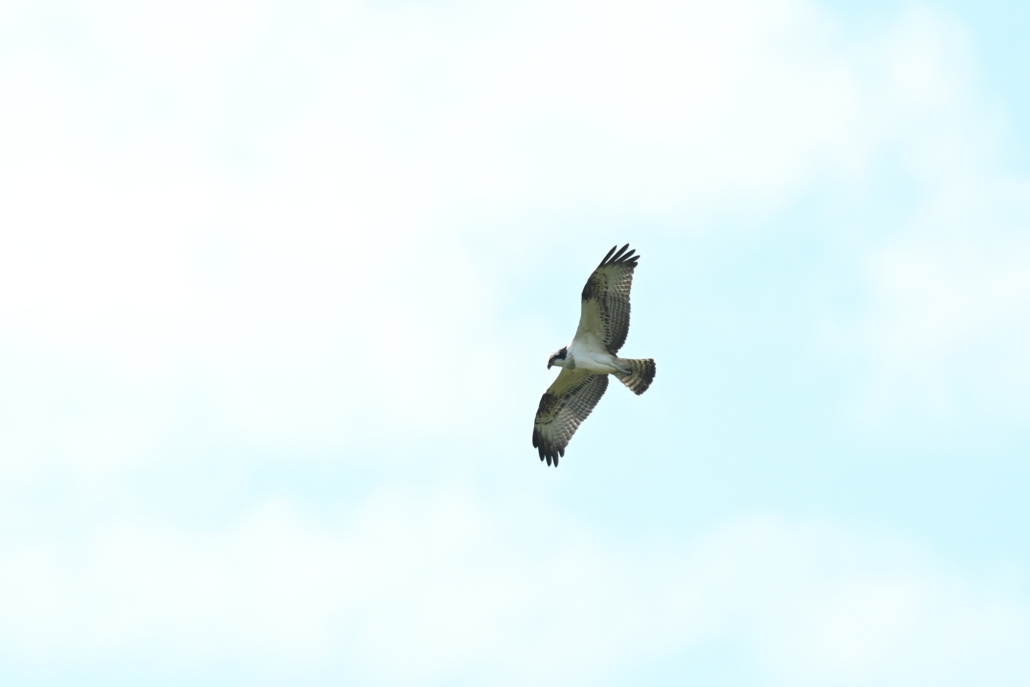
It was a transfer day so after breakfast we packed our luggage up to the car while listening to the nearby Black Redstart male & departed for a journey towards Biebrza Marshes. Before that, a stop at Dojlidy Fishponds yielded plenty: Penduline Tits, some waders (Common Snipe, Golden Plover, Spotted Redshank, Dunlins & Curlew Sandpipers) as well as birds of prey (Red-footed Falcon, Hobby, Osprey). Bearded Tits were also heard there.
We arrived to the accomodation in the afternoon and soon headed to the Marshes for some evening exploration. The plans for this area for the next 24hrs was to find three targets – Cranes, Beavers & Elks.
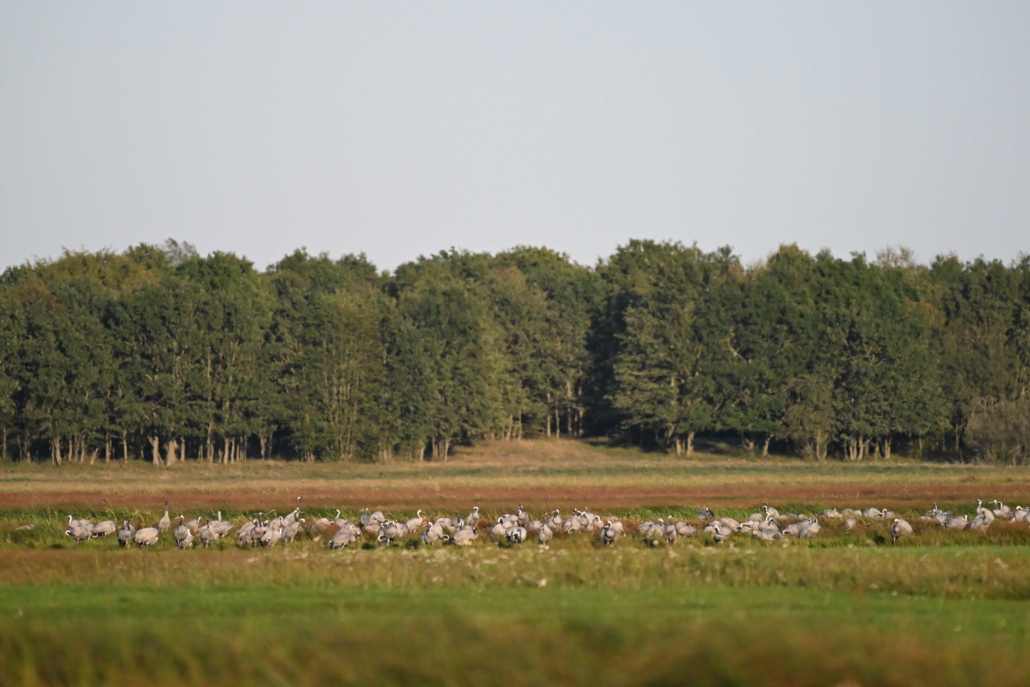
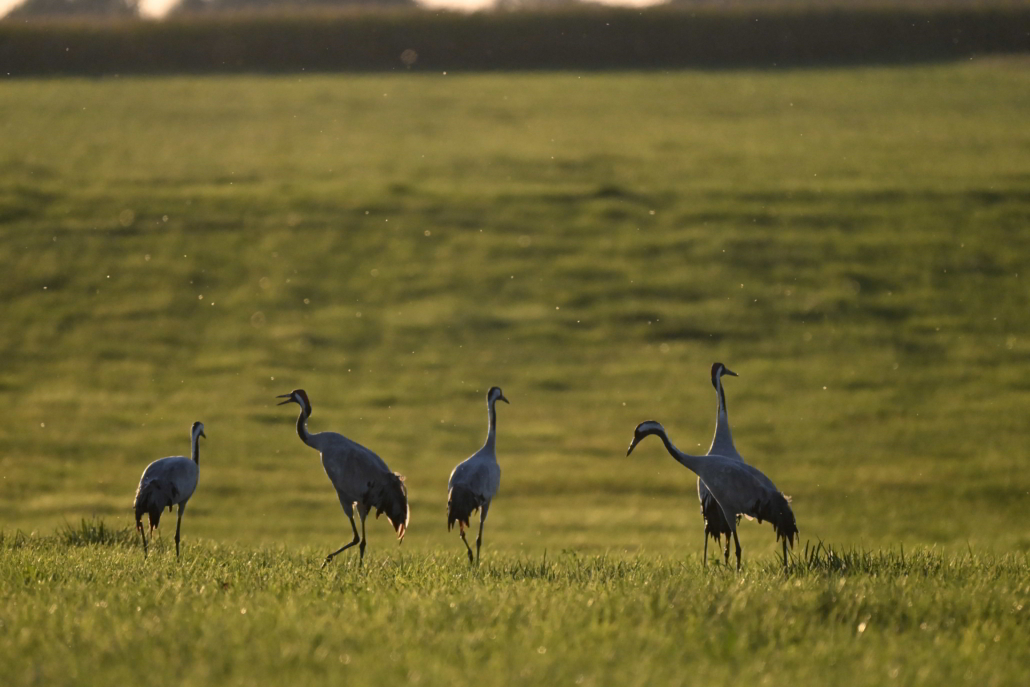
We started with Cranes – firstly observing single ones, then small groups & finishing with a flock of about 500 individuals. Pretty many for such a dry year in NE Poland! For sunset we wanted to try with Elk at marshy area on the edge of woodland, but it didn’t show up. Red Foxes & Roe Deers were pretty common there however. Also, on the way to that place a Tawny Owl was spotted sunbathing on a house chimney.
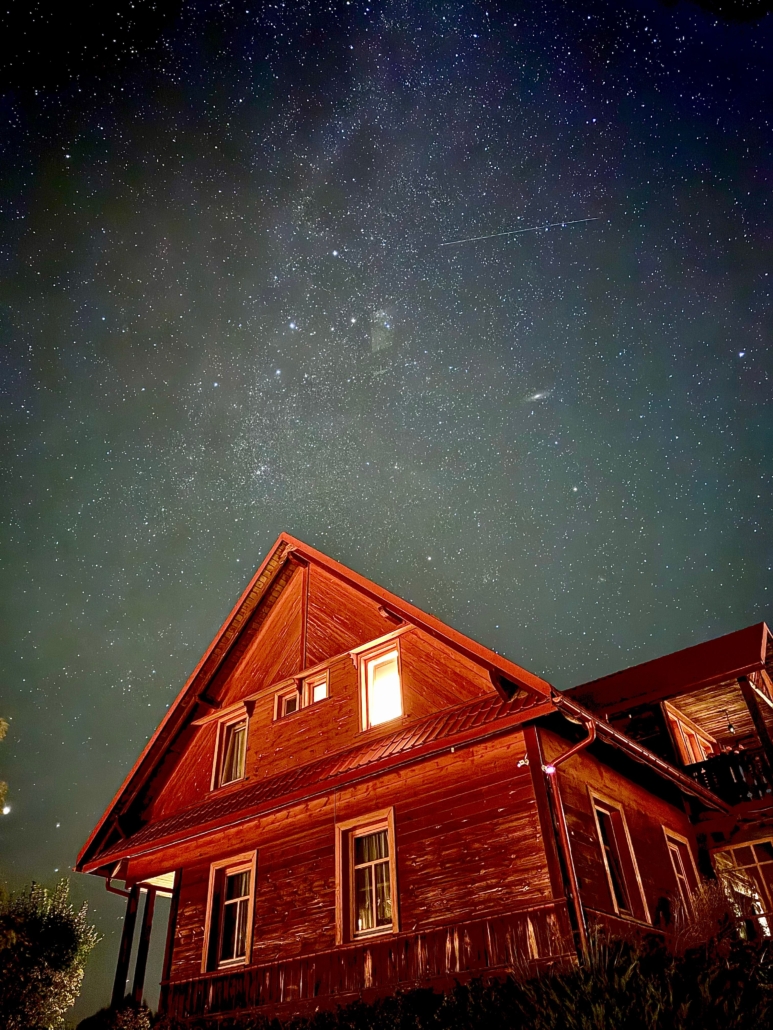
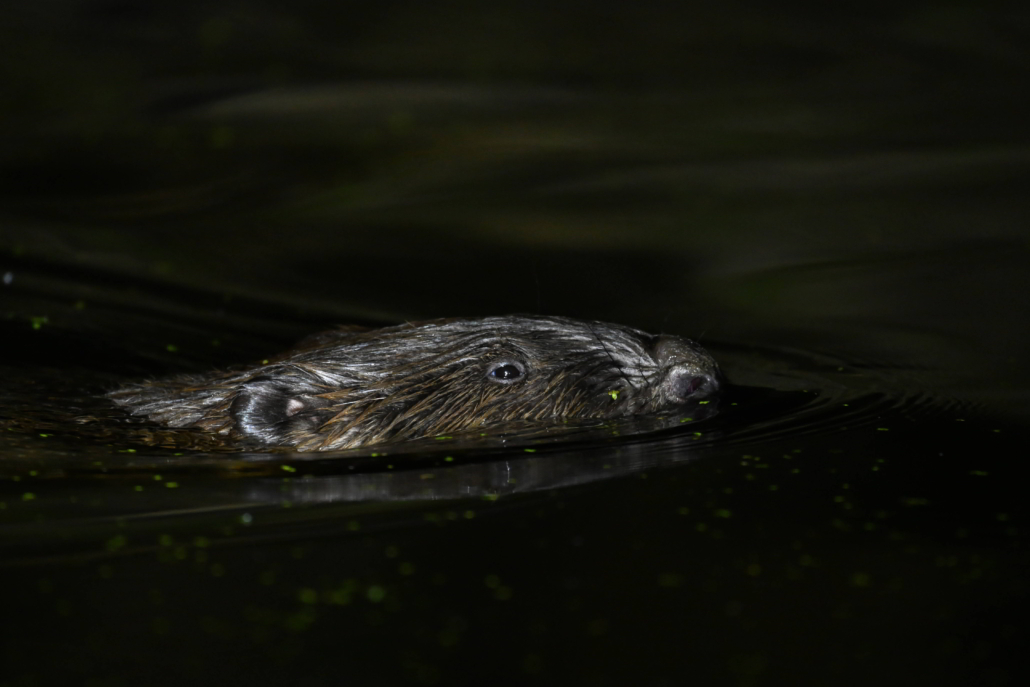
After dinner, a Beaver boat trip was planned. The scenery proved beautiful, with a starry sky overhead, and at least four Beavers were observed swimming not far from the boat – one individual even swam under it! That was a long & intensive day so we headed back to our accomodation with a plan to find our last remaining target in the morning – Eurasian Elk.
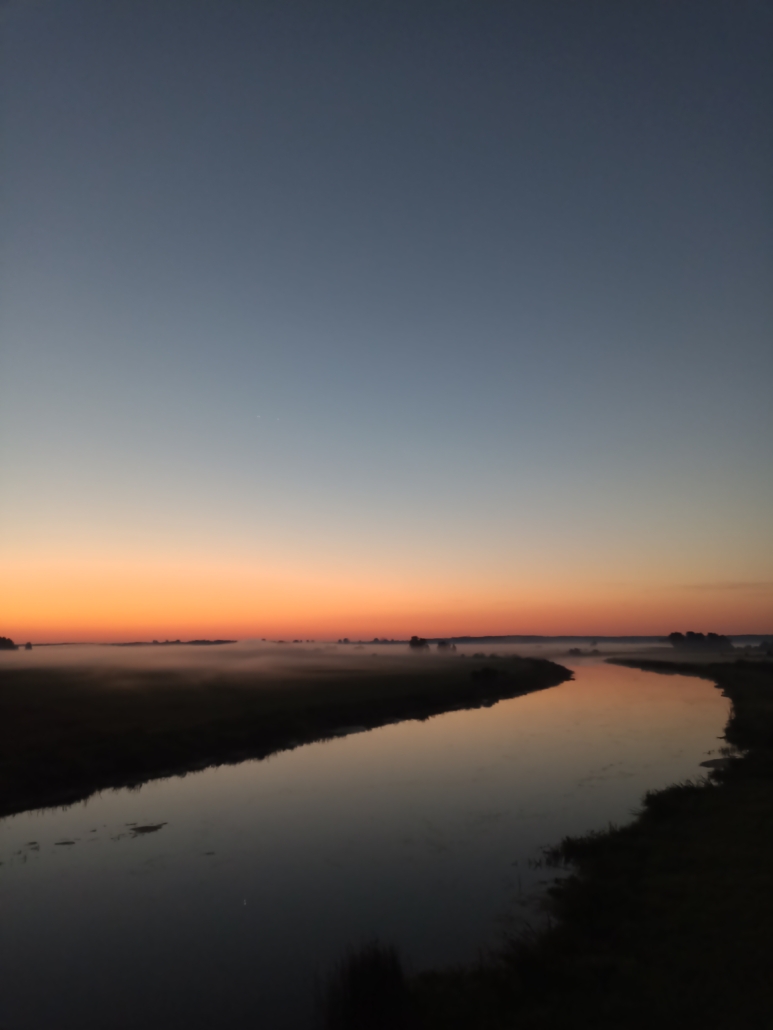
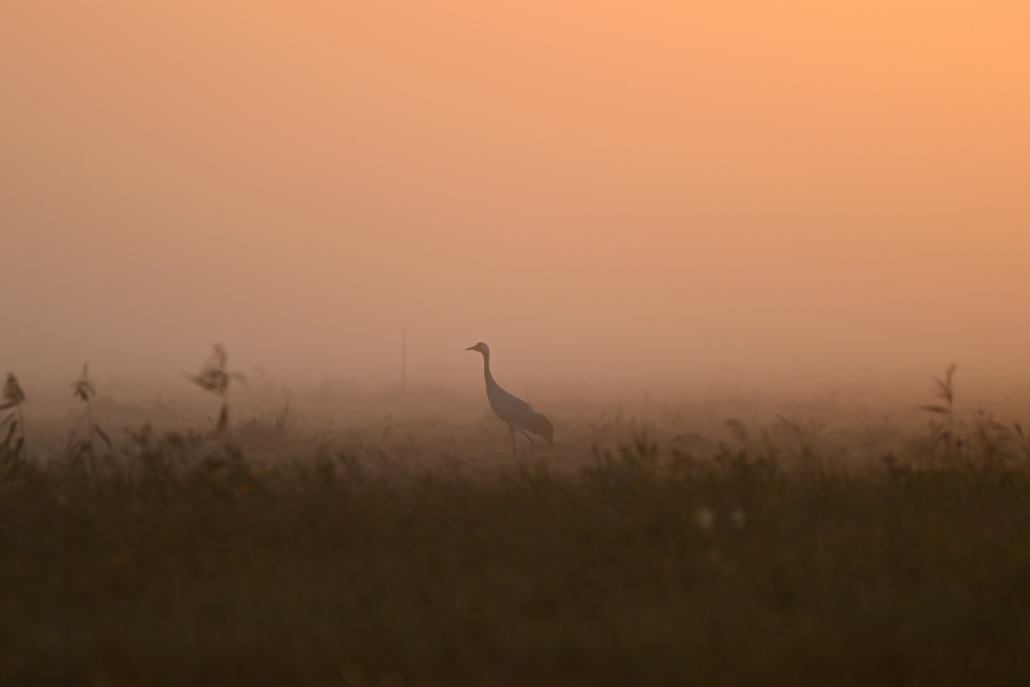
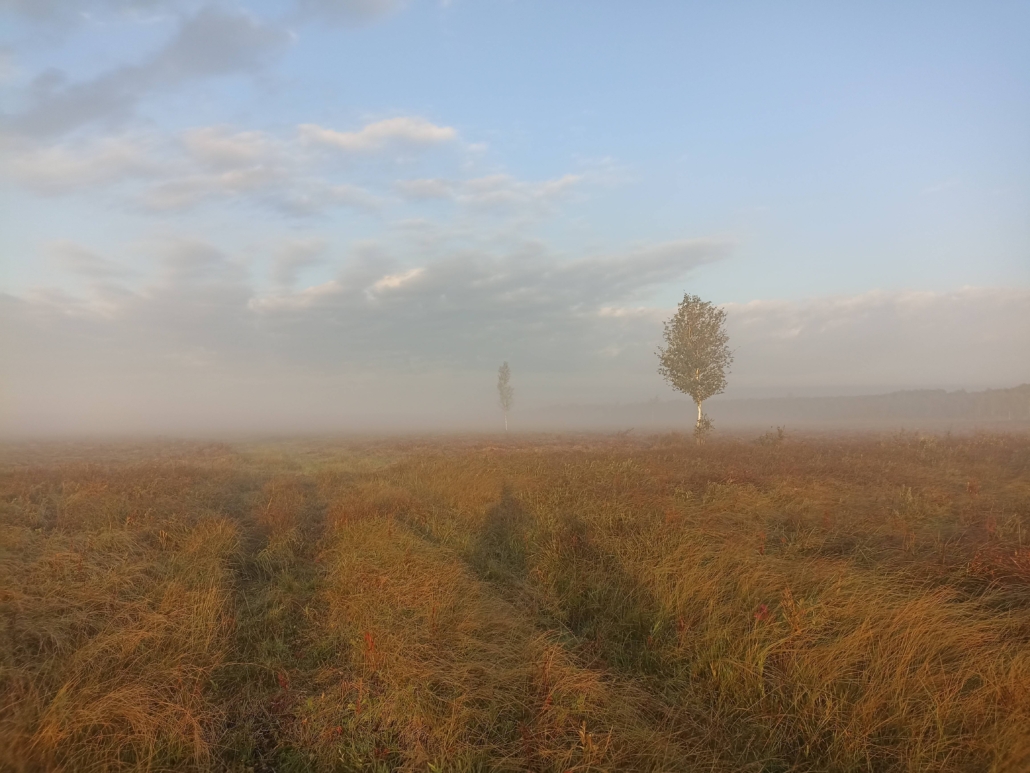
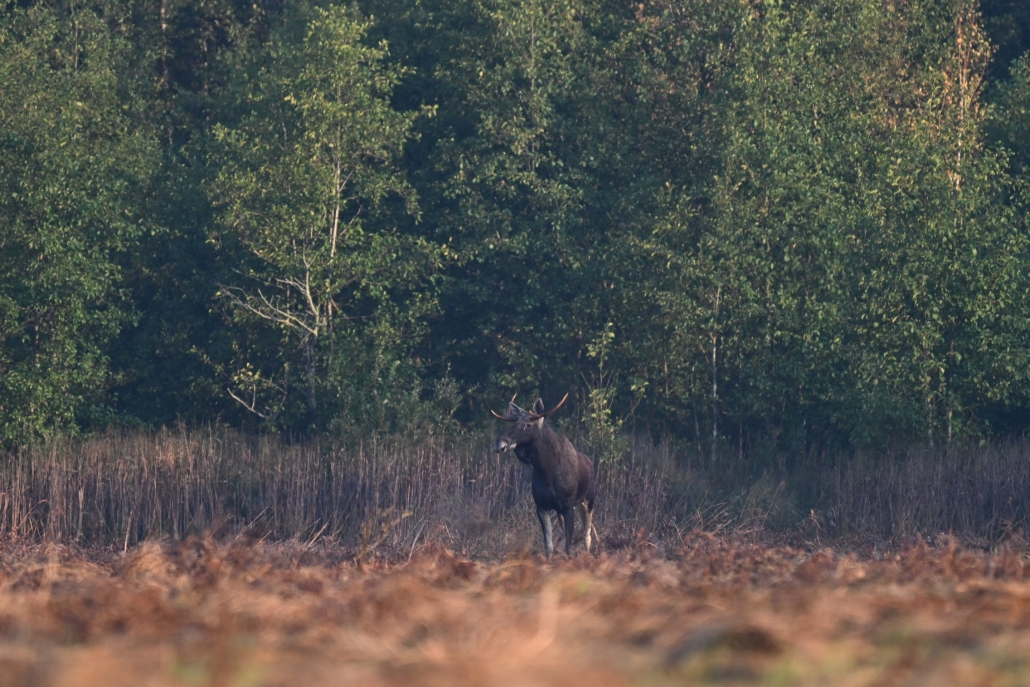
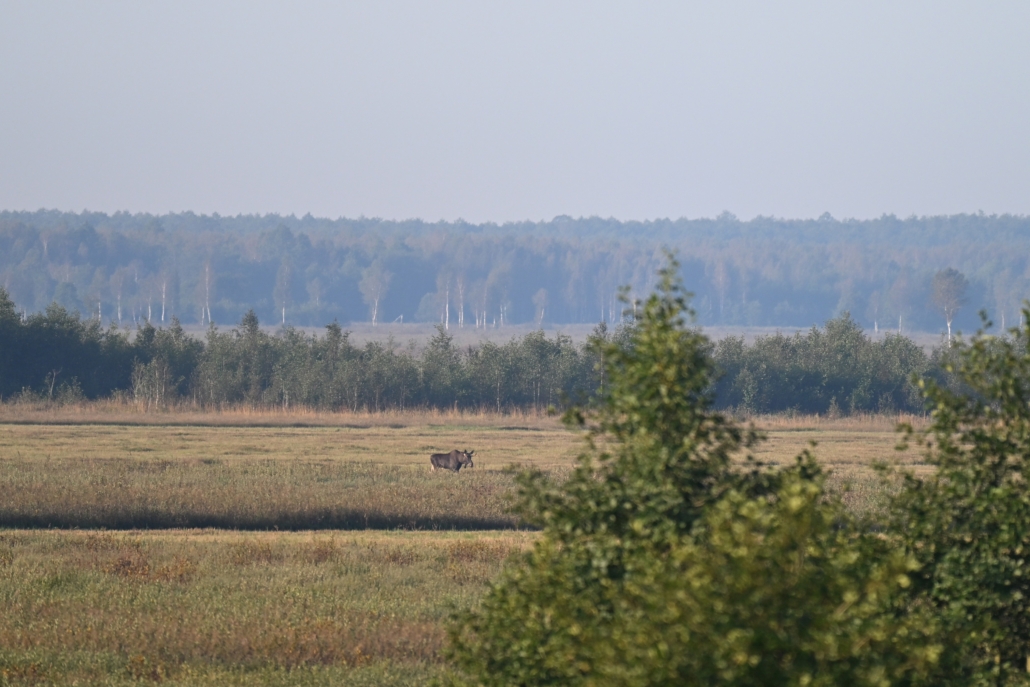
The tour’s last day began early before sunrise. Riding toward the spot, a little light appeared on the east and the hunt began. The mist however was very thick & despiting hearing mating calls of Elks we didn’t have chance to see any. A walking trail nearby offered hope, and as the fog began to lift with the rising sun, an amazing red-tinged ambience appeared. Amongst it we saw several Cranes, but exactly as it completely cleared out a bull Elk appeared on the edge of the Forest. It approached us slightly giving opportunities to watch it carefully – what a beast. Atfer a few minutes it returned to the forest.
Feeling satisfied after such an observation we returned to the car, but with extra time before breakfast a scan of the Marshes for some more Elks from the tower hide was conducted. From there, another four bulls and a female with calf were spotted – that means seven Elks seen in two hours, quite a lot!
After such a fruitful morning, we returned to our accommodation for breakfast, after which we had some free time. As it was over 25 degrees, some of the participants even decided to take a dip in the nearby Narew river. At lunchtime, we set off for Warsaw, where the trip ended at around 2 p.m.